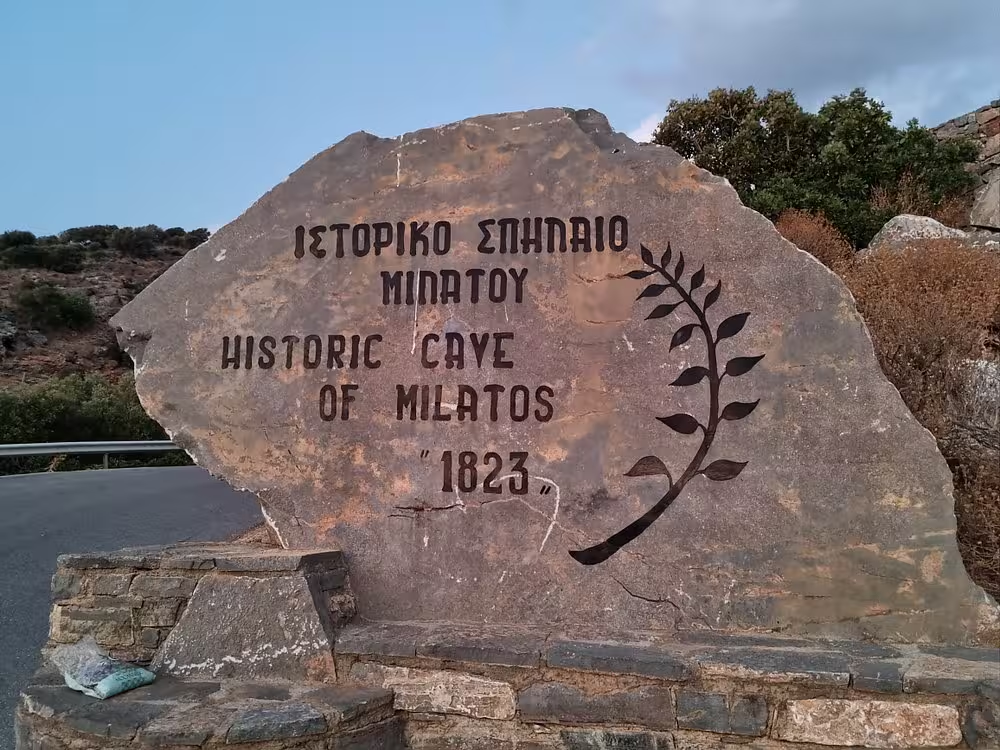
The Milatos Cave is one of the most famous historical sites in Merambelo. It is located northeast of Milatos, in a section of a steep ravine, and is about a 25–30-minute drive from Voulismeni.
The cave is best known for the events of February 1823, during the Greek Revolution. At that time, residents from the surrounding area took refuge in the cave to protect themselves from the troops of Hasan Pasha. Among the villages associated with this tragedy was Voulismeni, as its residents had sought refuge in the cave.
The fall of the Milatos Cave took place on February 13, 1823. Its capture was followed by massacres, captives, and the sale of the surviving women and children. Local historical memory recalls this event as one of the darkest moments of Ottoman rule in the region.
Voulismeni paid a heavy toll in blood during this tragedy. The Milatos Cave is not only associated with Milatos, but also with several other villages in Merambelo, whose residents sought refuge there. That is why the site is significant for the historical memory of the entire region.
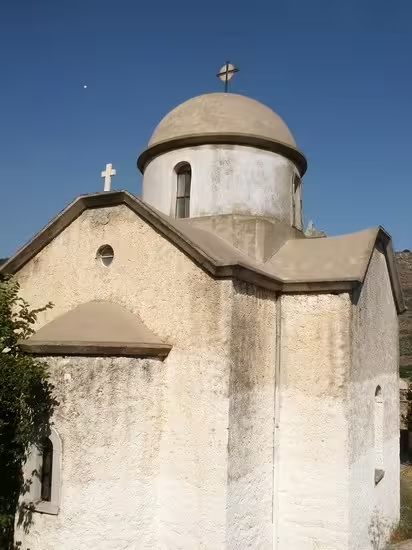
Inside the cave there is a church dedicated to Saint Thomas. The chapel was built in 1953 in the first section of the main chamber. Nearby is an ossuary where the remains of victims of the events of 1823 are kept.
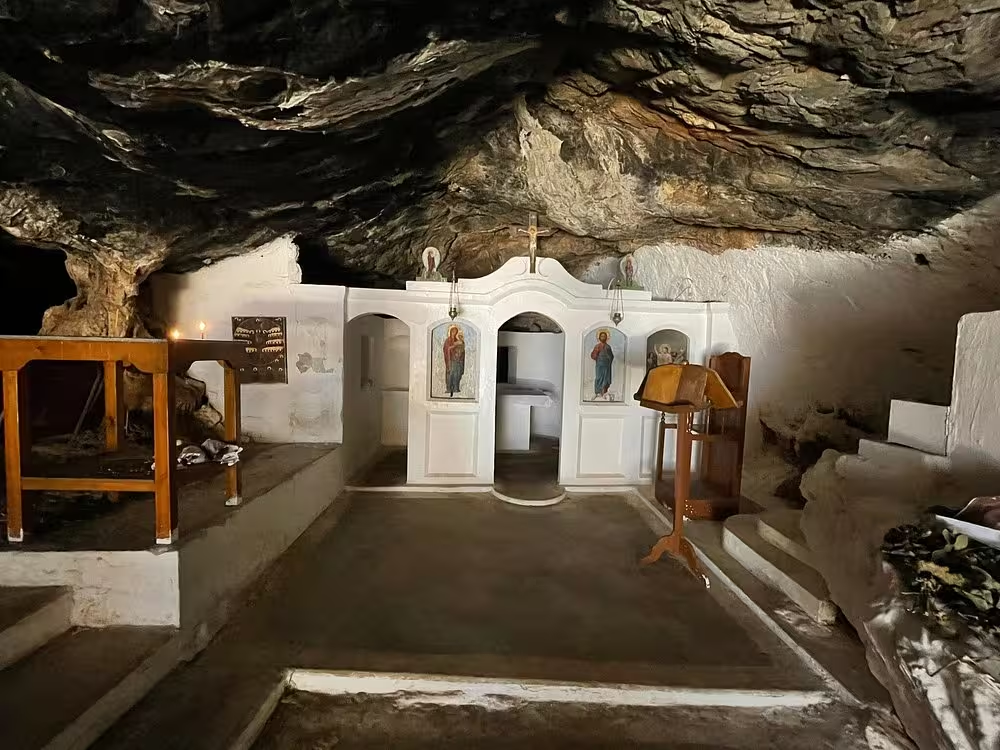
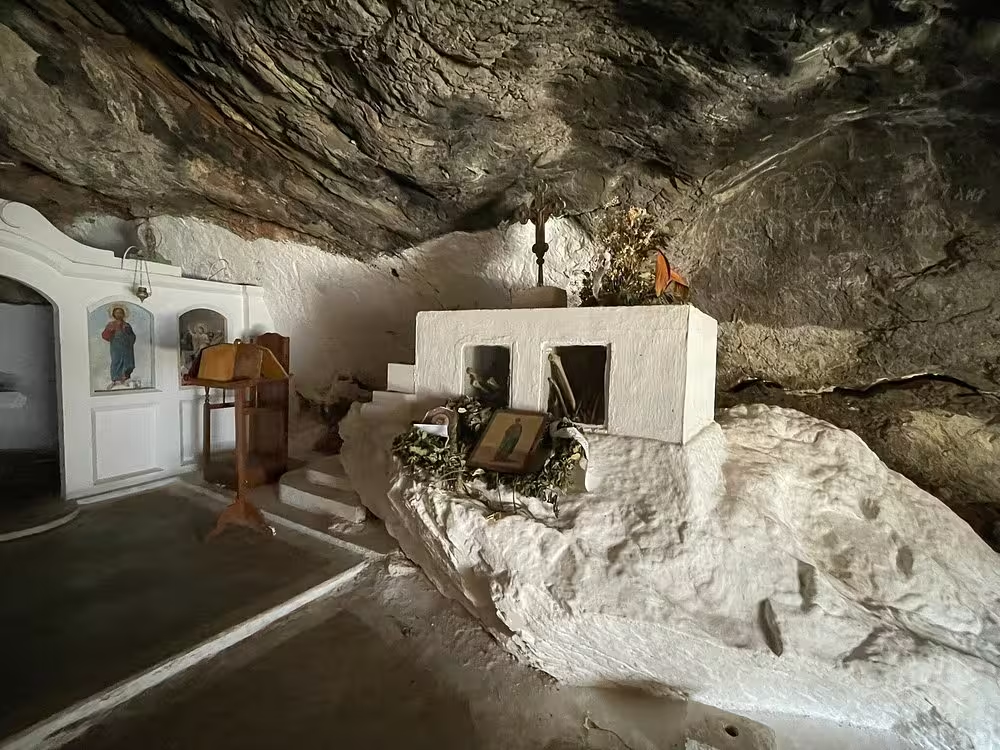
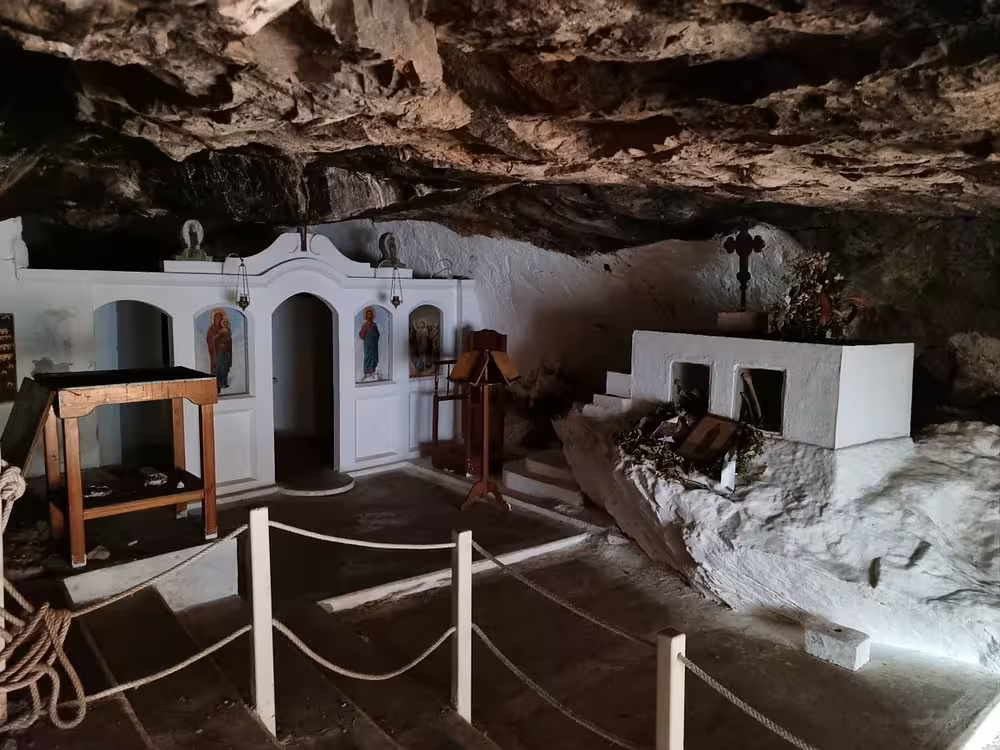
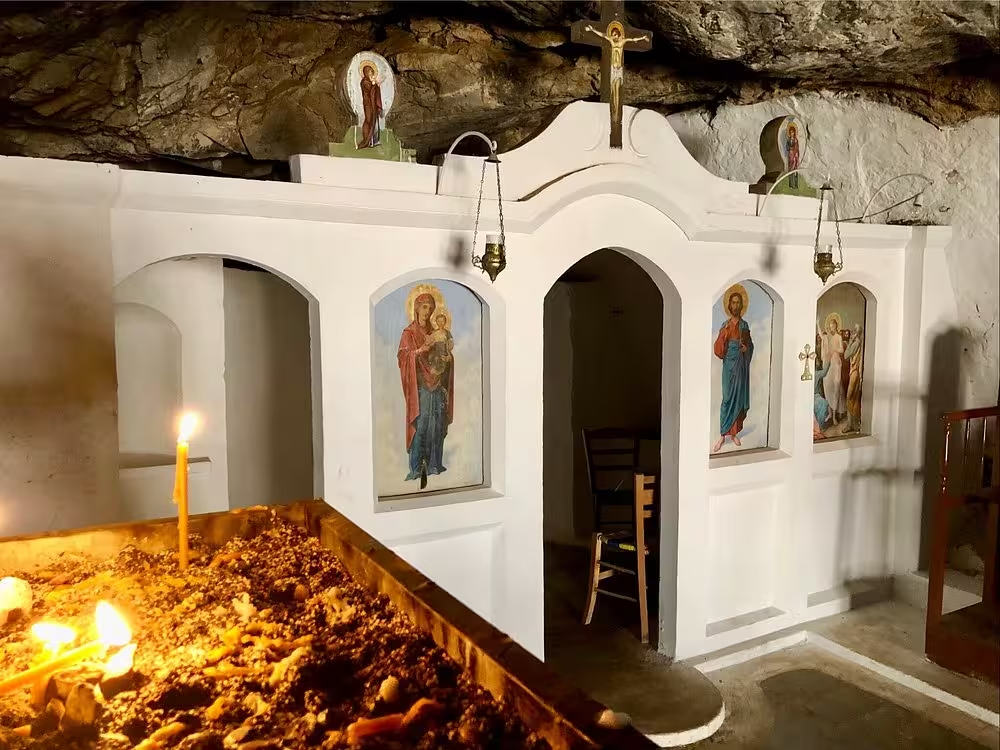
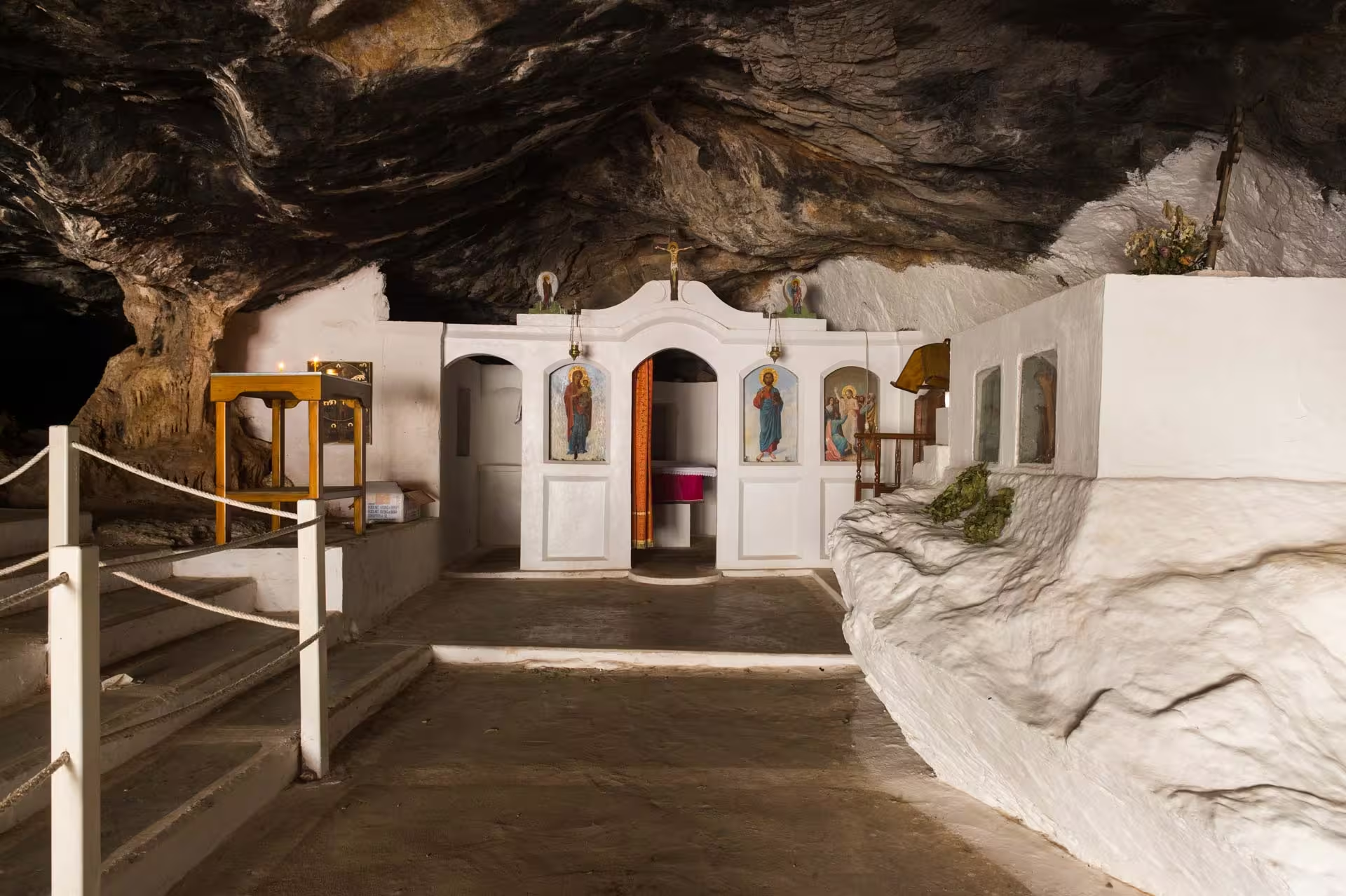
The cave has eight entrances, both small and large, extending over a length of approximately 40 meters and spanning three levels. The cave is accessed through the large central entrance, which is about 9 meters wide and 2 meters high. A second entrance allows light to enter the chamber where the temple is located.
The total length of the cave is approximately 75 meters. Inside, there are chambers separated by natural columns, as well as stalagmite and stalactite formations. There are few stalactites, while the columns and stalagmites are the most distinctive features of the cave.
The Milatos Cave was formed in Cretaceous limestone. Its current form is believed to be the remnant of a larger underground cavity that extended toward the ravine. The geomorphology of the site also explains its use as a refuge during times of danger.
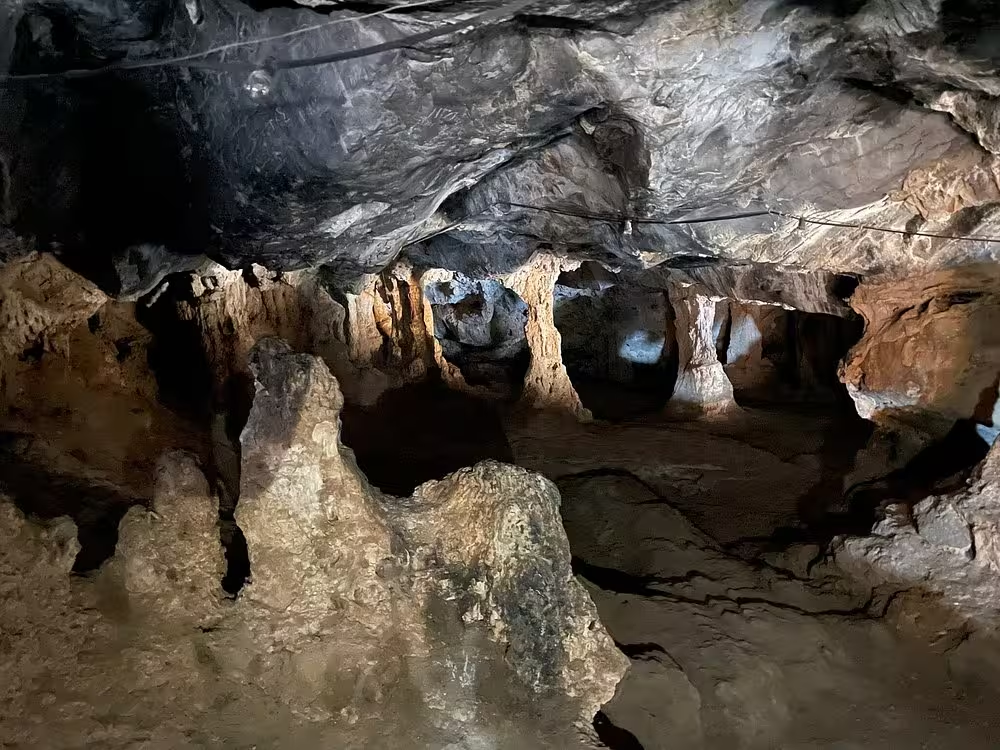
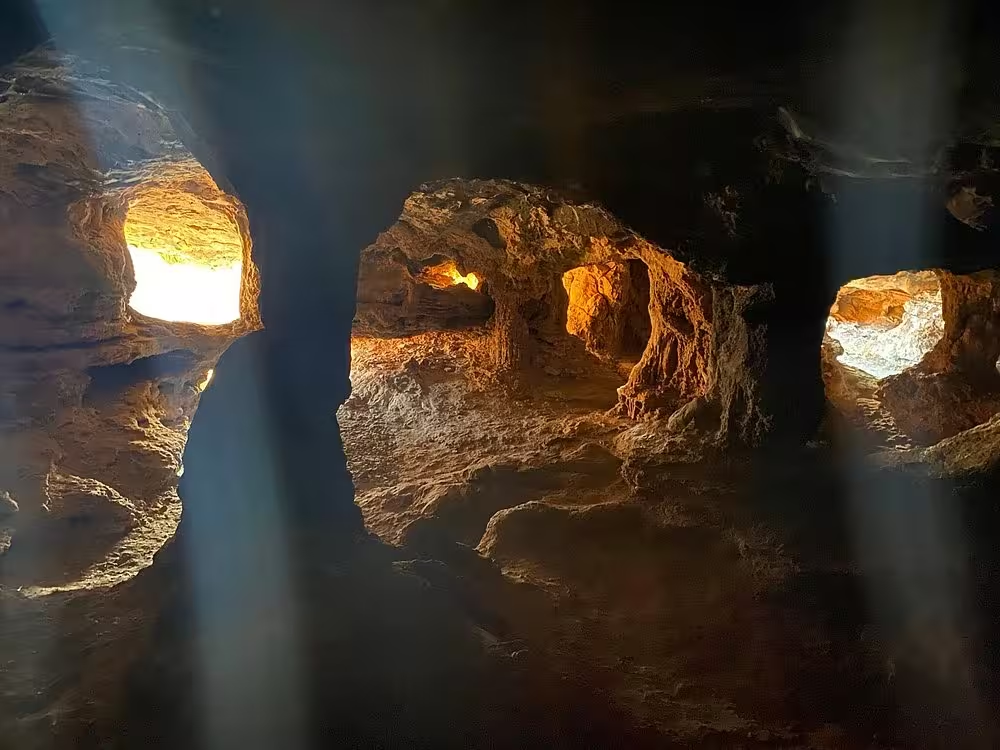
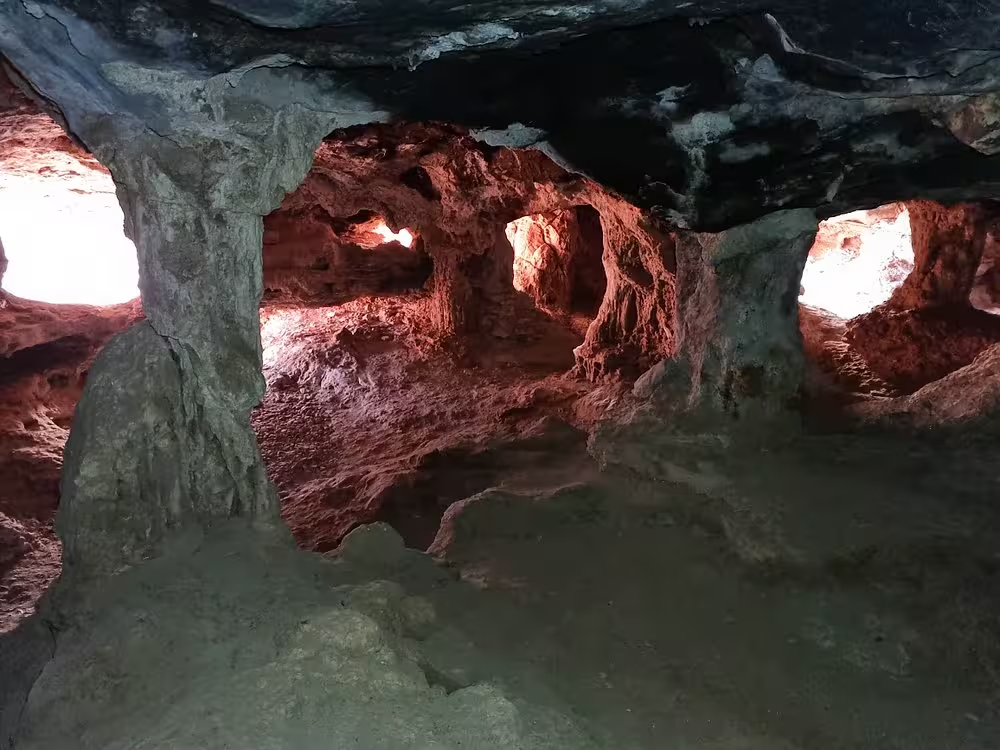
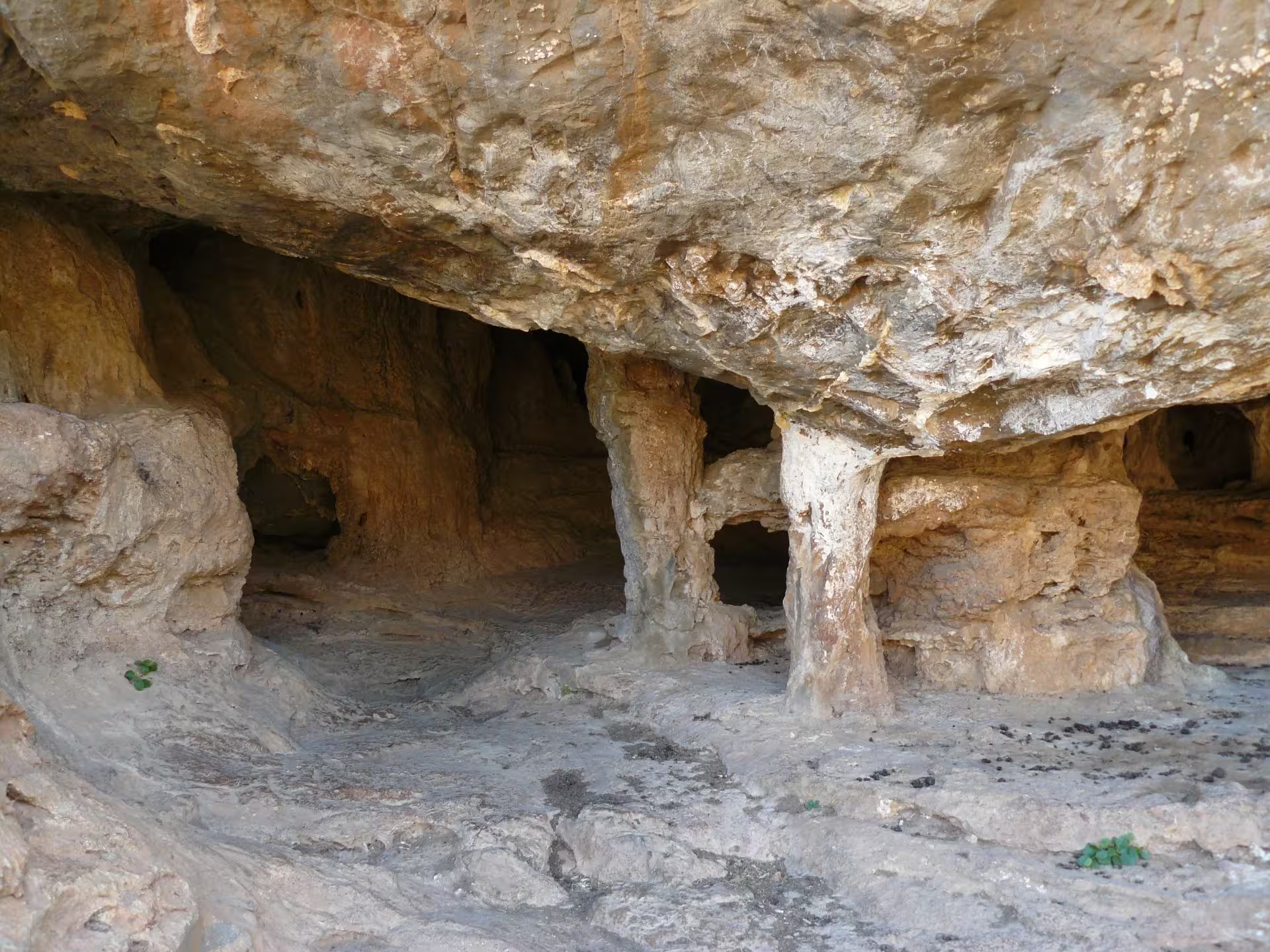
The cave’s historical significance outweighs its natural beauty. Visitors encounter not merely a cave, but a place of remembrance. The chapel, the ossuary, and the references to the events of 1823 serve as reminders of the site’s connection to the revolution, the persecutions, and the losses suffered by the region’s inhabitants.
For anyone visiting Voulismeni, the Milatos Cave is a nearby attraction of pure historical interest. The trip can be combined with a visit to Milatos and other sites on the northern side of Merambelo.
Visitors should exercise caution when exploring the site, as it is a natural cave with uneven terrain and low-lying areas. Comfortable shoes and a flashlight or a cell phone with a flashlight are recommended, especially for those who wish to venture beyond the lit or more open sections of the cave.
The Milatos Cave is one of the sites where local history is directly linked to the memory of the Cretan Revolution. For Voulismeni and Merambelo, it serves as a landmark commemorating the events of 1823 and the people who sought refuge there during one of the region’s most difficult periods.