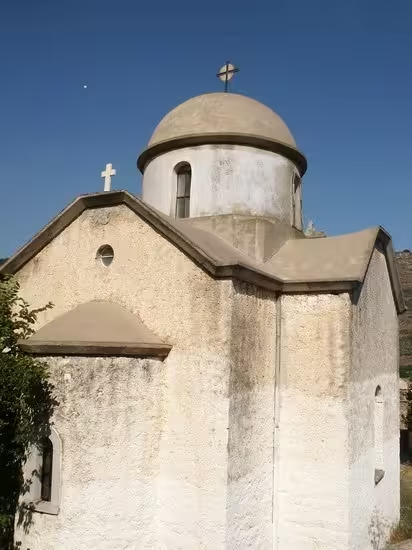
The Holy Monastery of Kremasta is one of the most important monasteries in Merambelo and is located near Voulismeni, on the slopes of Mount Kavalara, along the route to Vryses and the Lassithi Plateau. It is also known as the Monastery of the Archangels Michael and Gabriel of Kremasta, as its main church is dedicated to the Archangels.
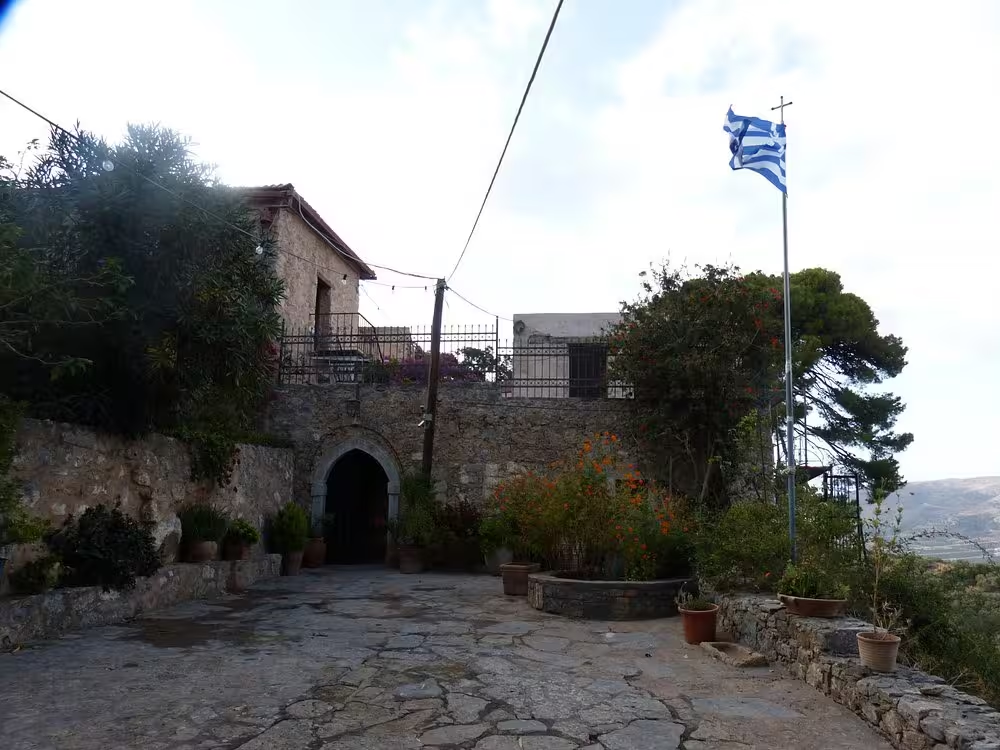
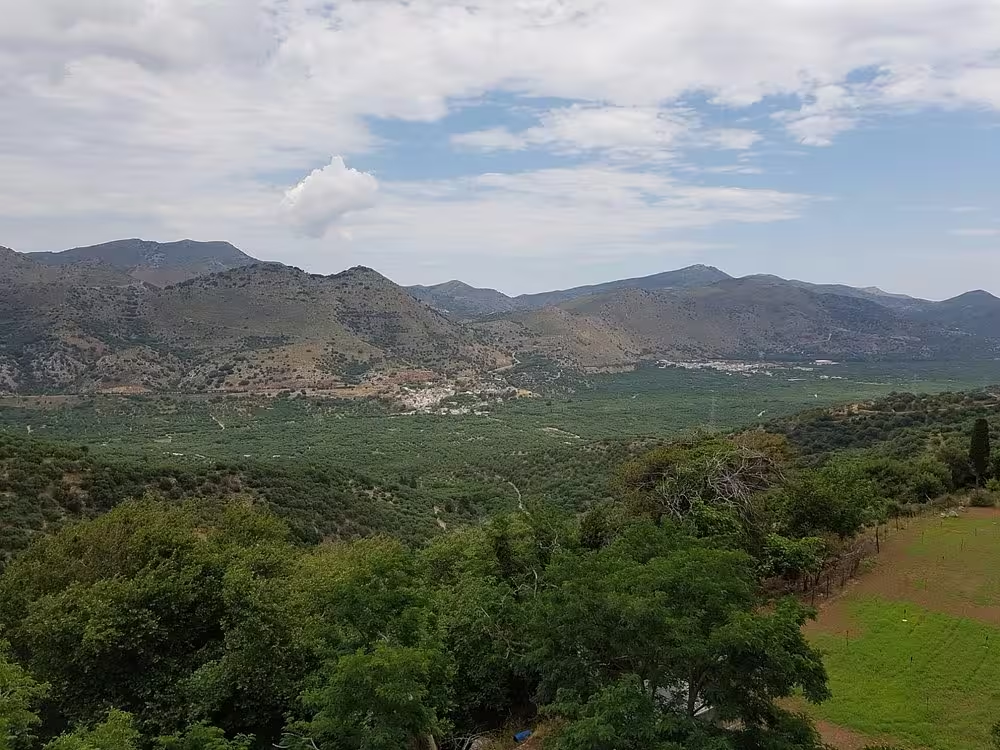
The monastery is located on a downward-sloping piece of land, in a spot that makes it appear as if it is «hanging» on the hillside. This is where the name Kremasta or Kremaston comes from. Its location offers a view of the Merambelo area and is connected to the natural topography of Kavalaras.
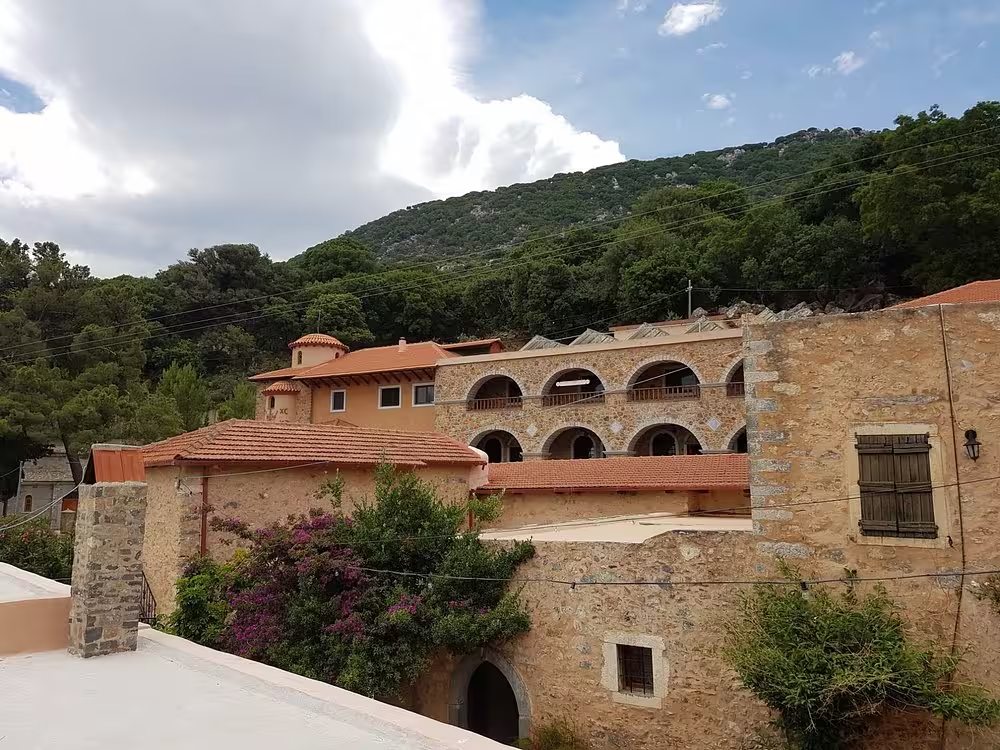
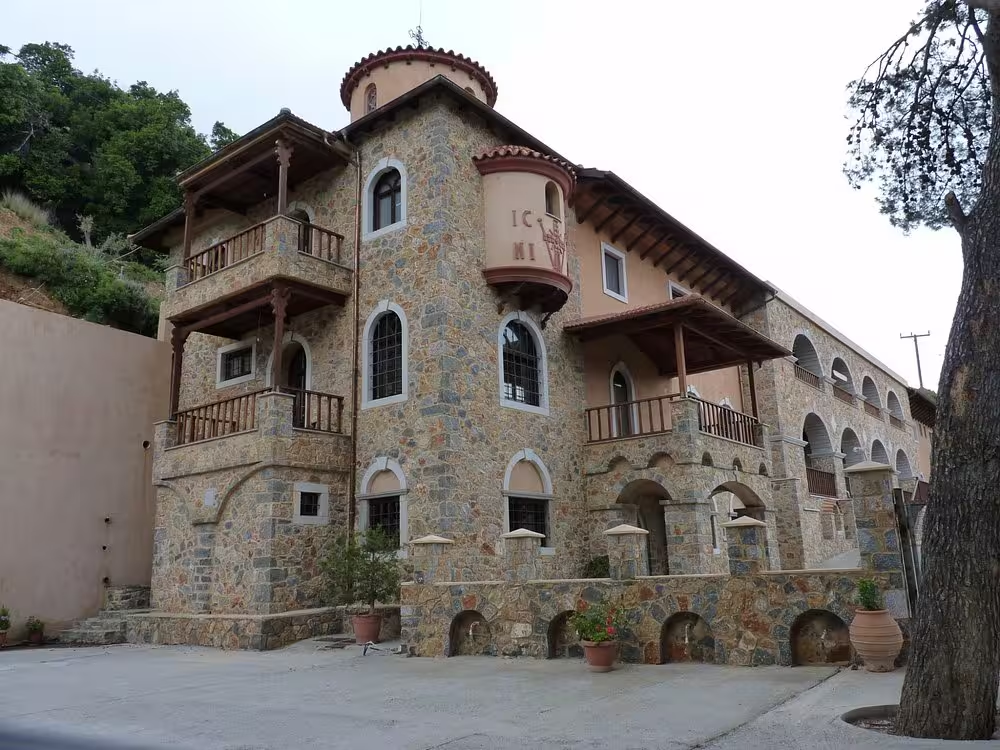
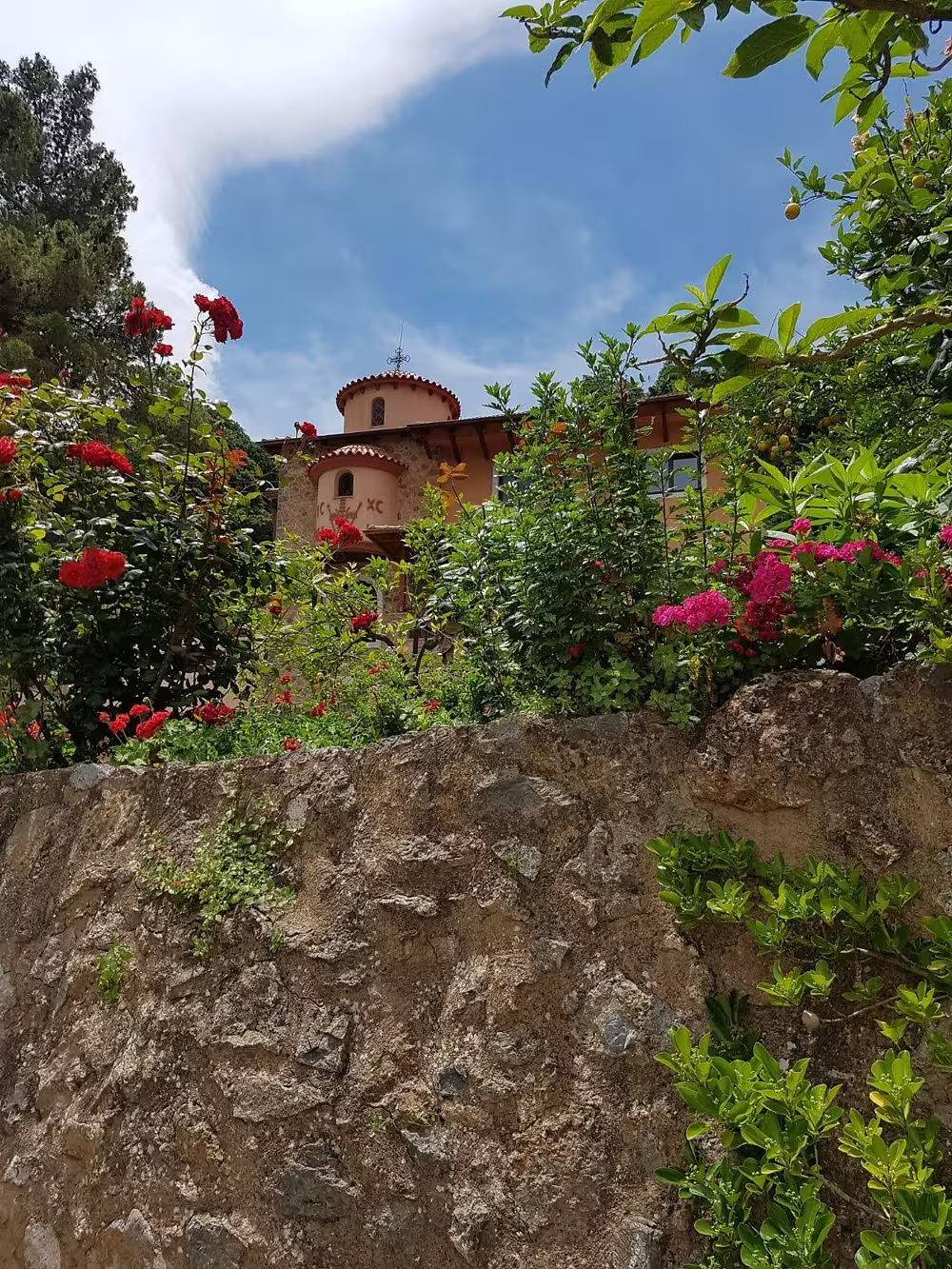
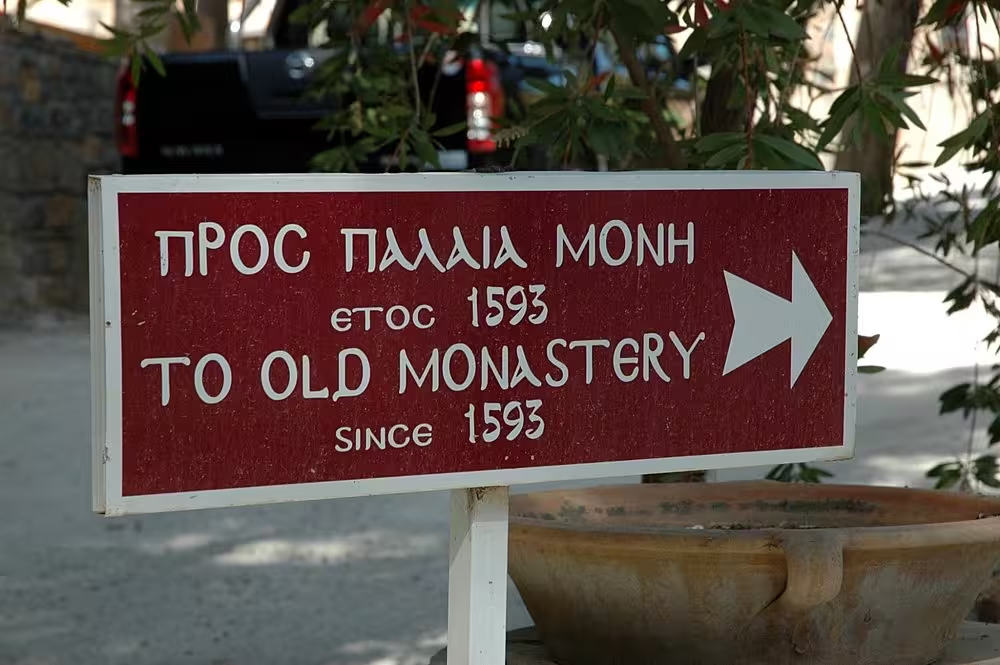
The monastery was founded in the late 16th century. The dedicatory inscription above the entrance to the main church mentions the year 1593 and the monk Mitrophan Agapitos as the founder. The main phase of construction of the monastic complex lasted from 1593 to 1622.
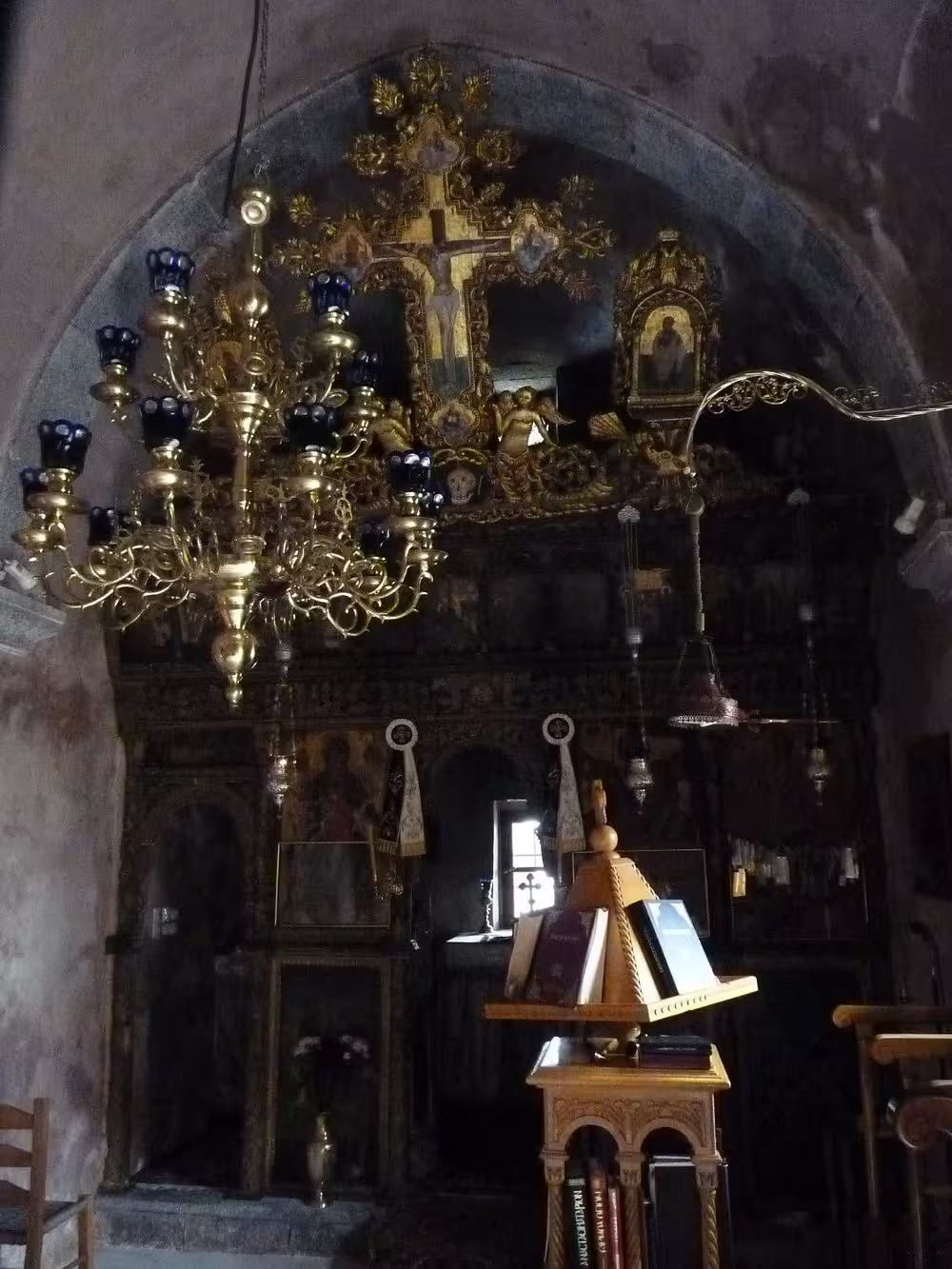
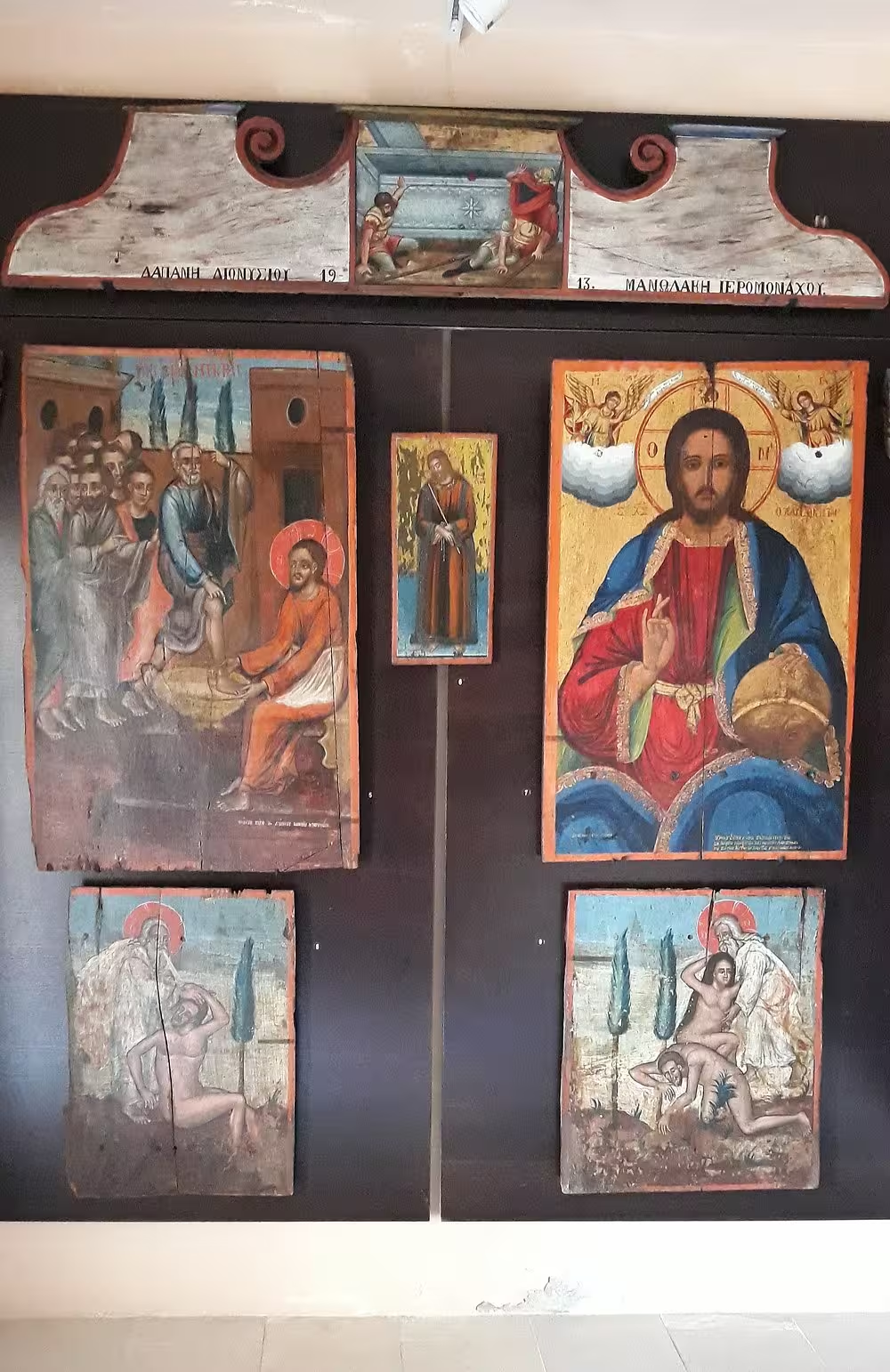
The monastery’s main church is a small, single-nave, vaulted church dedicated to the Archangels. The monastery celebrates its feast day on November 8. Inside the church, a 19th-century wood-carved iconostasis survives, featuring icons from the same period. Of particular interest is the Holy Table, which is dated 1622 and features relief decoration.
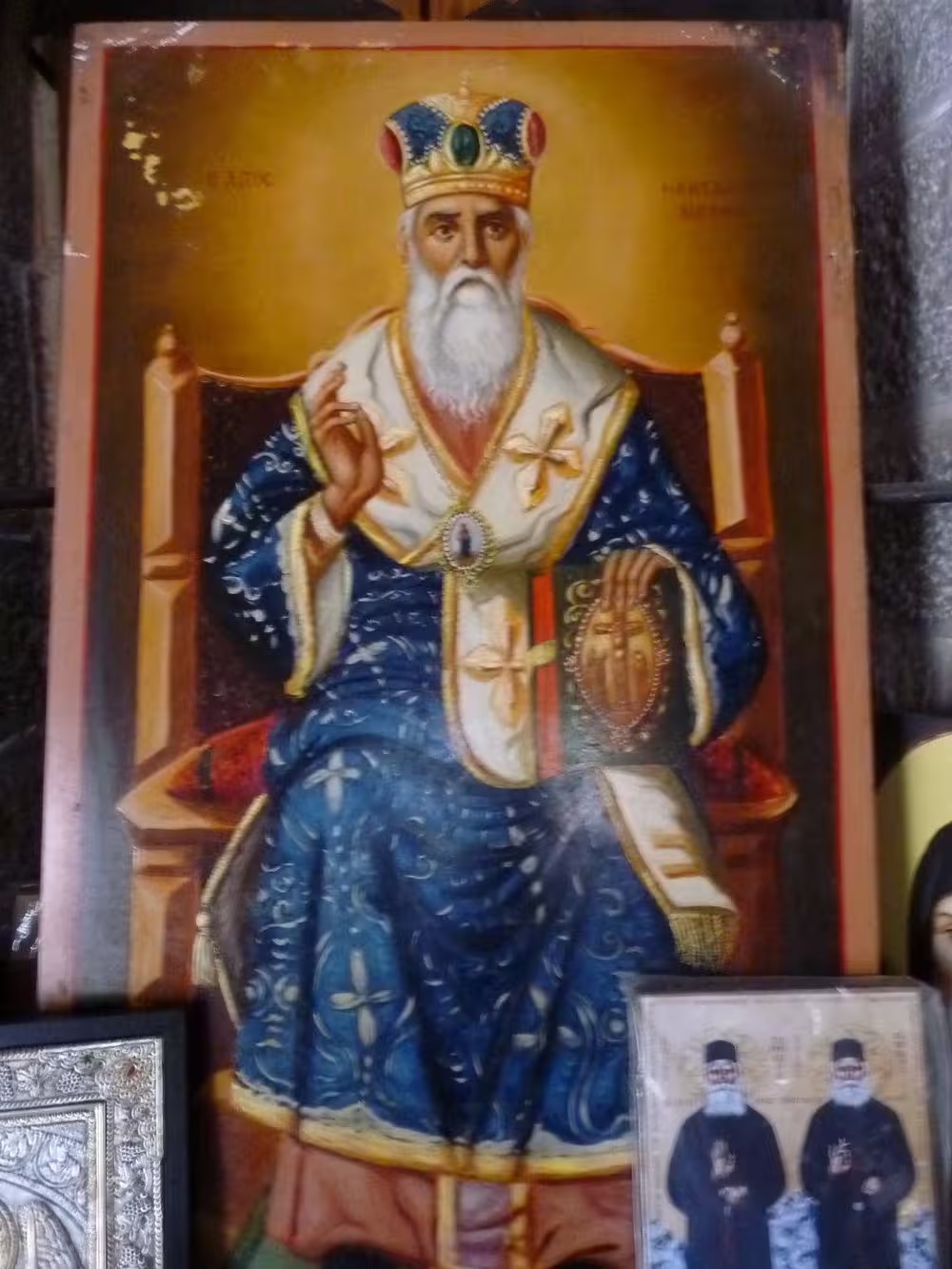
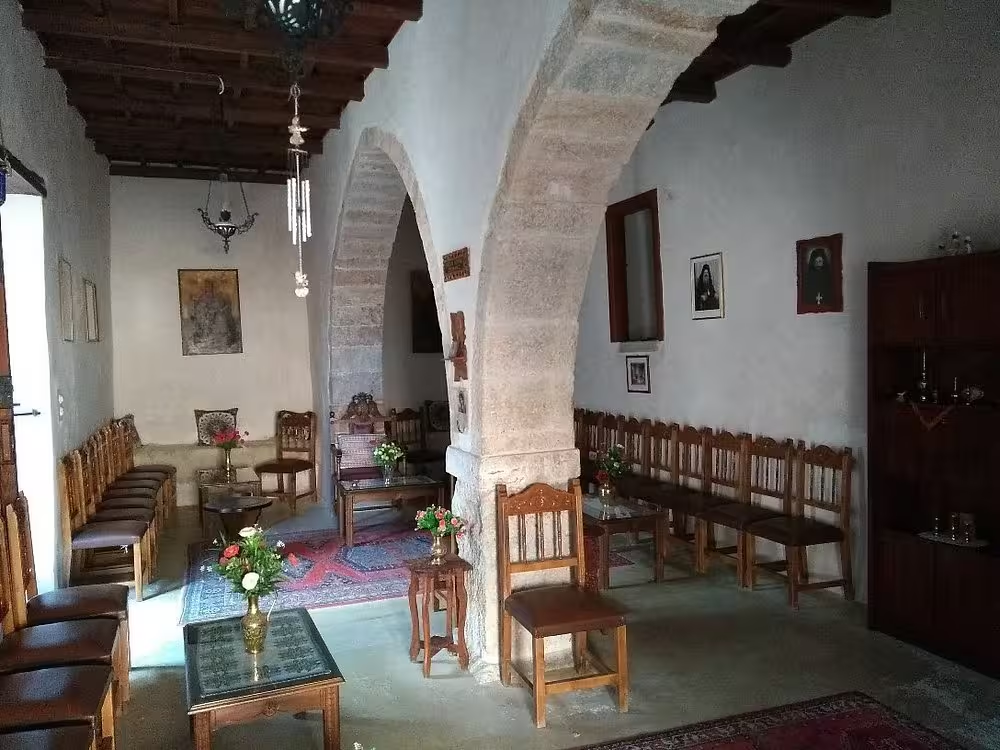
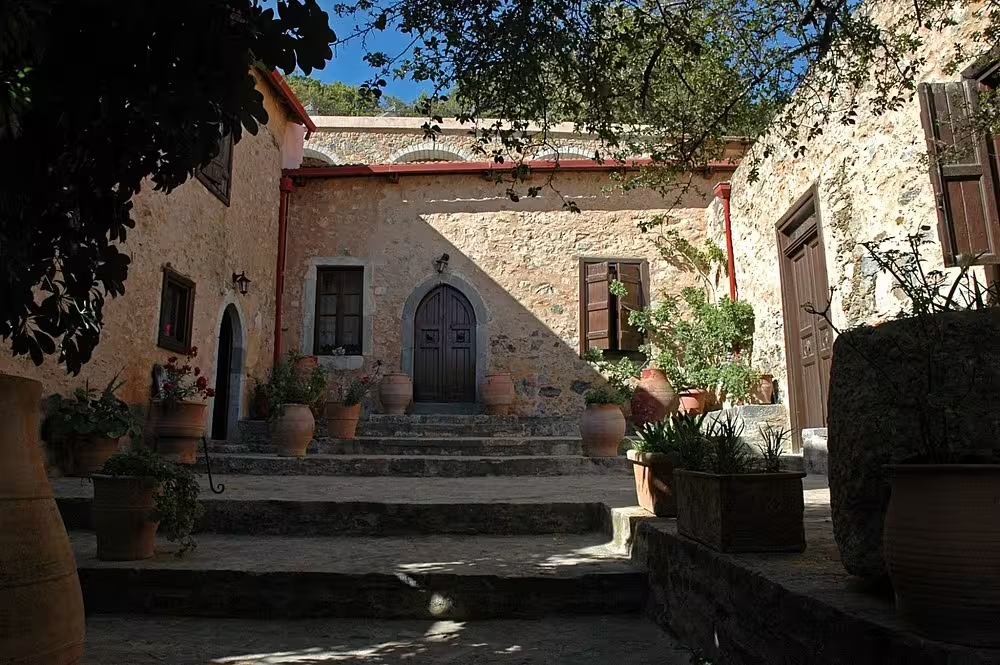
The monastic complex has a fortress-like character. Its layout is arranged in tiers around a C-shaped courtyard. This design served both the security and the practical needs of the monastery. There were quarters for the monks, auxiliary buildings, agricultural facilities, a bakery, an olive press, and other spaces related to the monastery’s daily operations.
The Kremasta Monastery possessed significant assets and carried out charitable work in the region. Its financial resources enabled it to support schools, churches, and projects in the surrounding villages. A notable example is the fact that the Vryses Elementary School was built on a plot of land donated free of charge by the monastery.
During the Ottoman occupation, the monastery was associated with education. The book on Voulismeni mentions that a secret school staffed by clergy operated at the Holy Monastery of Kremasta, which was later converted into a community school. This reference illustrates the role that the region’s monasteries played in preserving basic education during difficult historical periods.
From the mid-19th century through the early 20th century, a peer-teaching school operated at the monastery. This educational activity links the Kremasta Monastery to the history of education in Merambelo. The operation of schools within or around monastic premises was common during periods when organized educational institutions were limited.
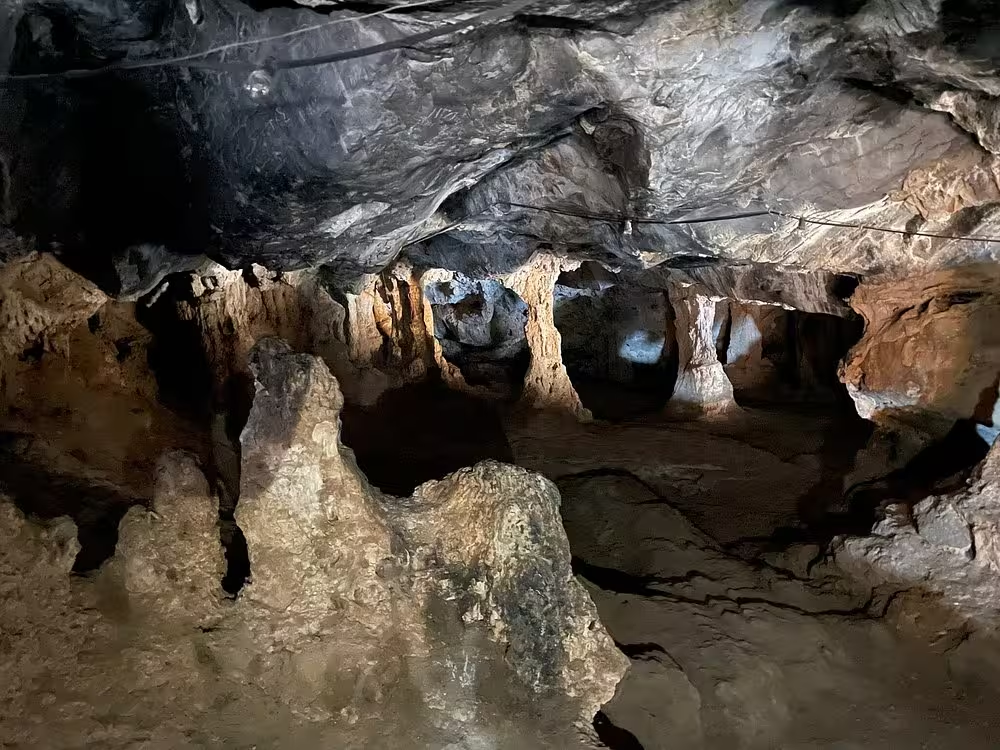
The monastery is also linked to the events of the 19th century. It suffered damage during the revolution of 1866. According to local tradition and relevant accounts, the monks attempted to protect the monastery’s relics and books by hiding them in a cave, but some of these items were destroyed by moisture.
From 1868 to 1871, the Kremasta Monastery served as the headquarters and residence of the Christian governor of the Lasithi Prefecture, Kostis Adosidis Pasha. This fact indicates that the monastery did not serve solely a religious function, but was also used as an administrative center during a critical period for the region.
In its more recent history, the monastery went through a period of decline and abandonment. Its restoration began on the initiative of Metropolitan Nektarios of Petra and Herronissos. In 1993, the monastery, which was originally a men’s monastery, was converted into a women’s monastery. Today, it functions as a women’s communal monastery.
There is an iconography workshop on the monastery grounds. Outside the enclosure stands a more recent church dedicated to the Myrrh-Bearers. Also of interest is the old olive press, which has been converted into a dining hall, as well as the “archontariki” (noblemen’s quarters), which is linked to the tradition of the Secret School.
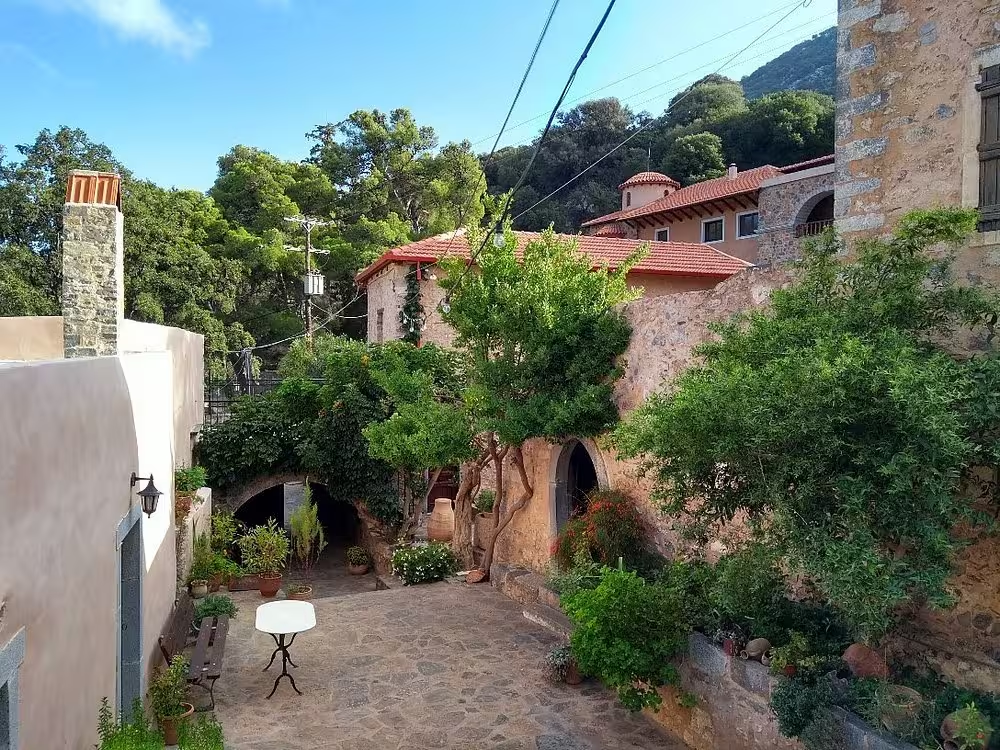
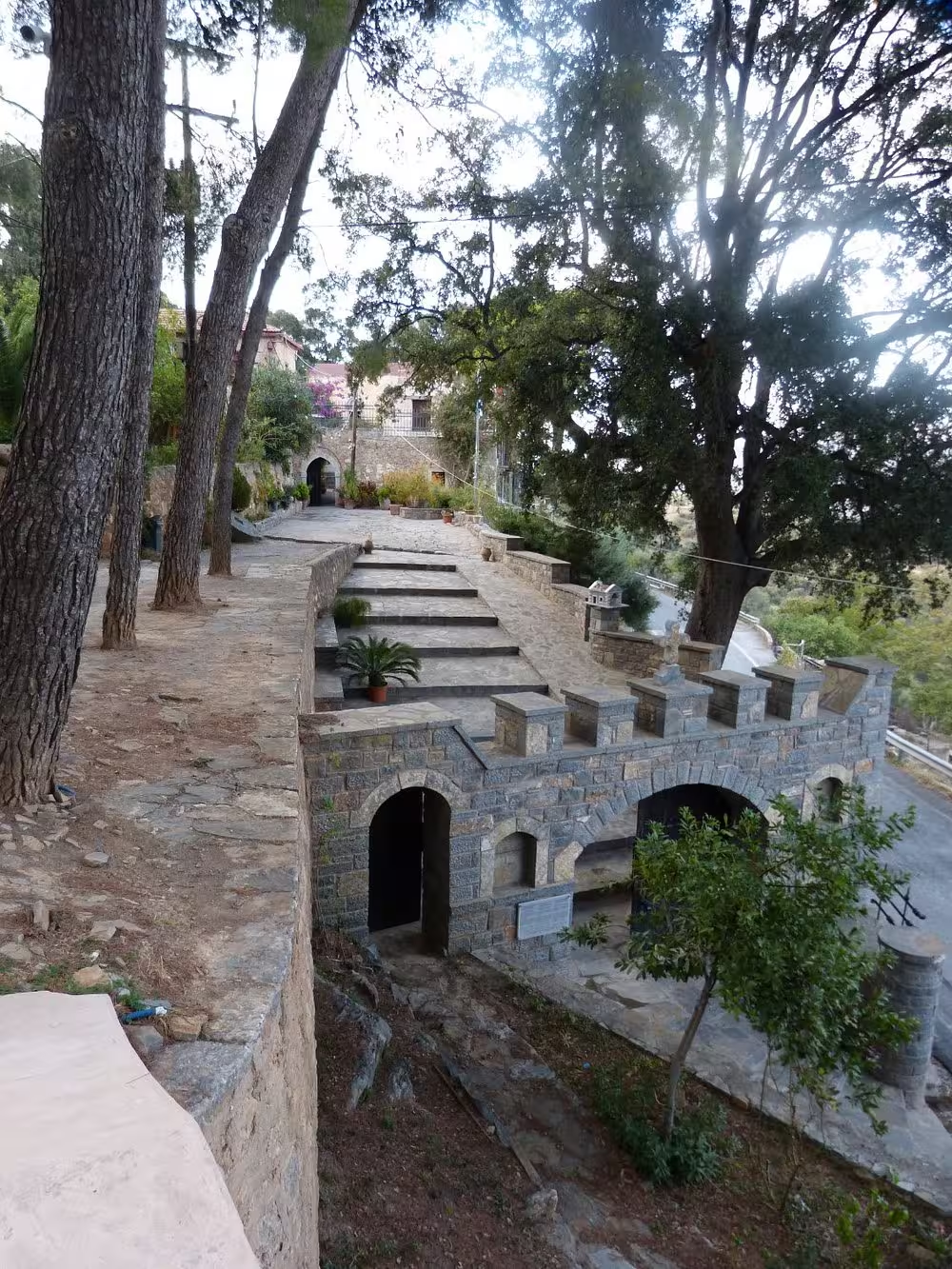
The Holy Monastery of Kremasta is a nearby religious and historical site for visitors to Voulismeni. It combines monastic history, architectural interest, educational activities, and connections to significant periods in Cretan history, from the late Venetian and Ottoman periods to modern times.