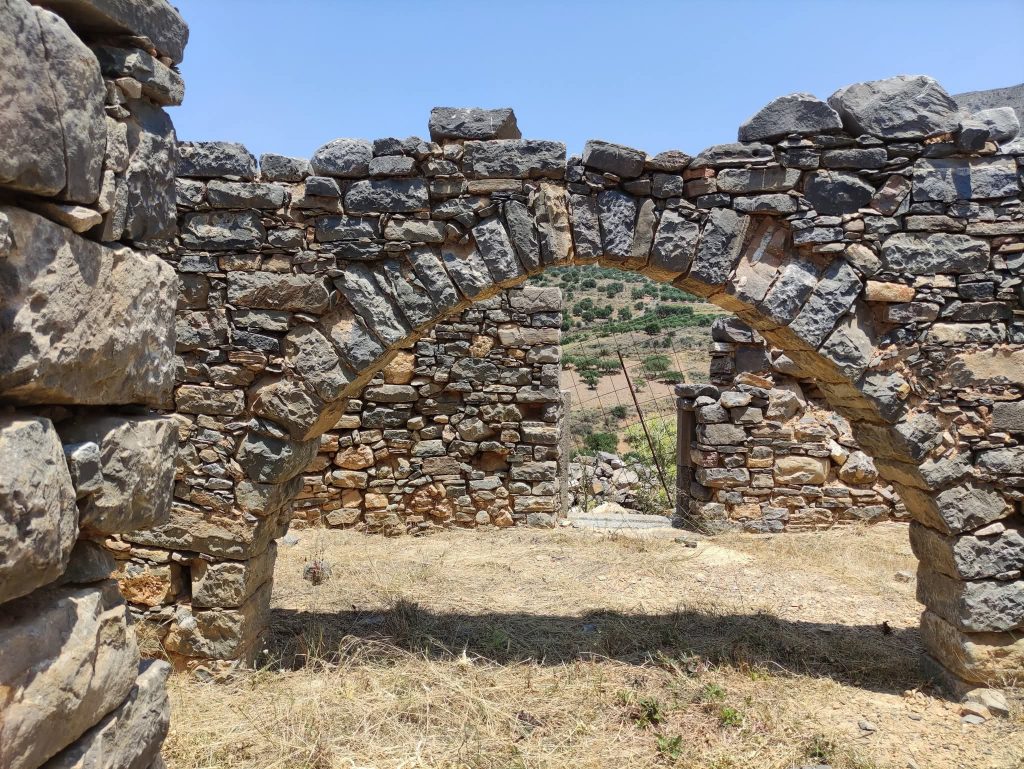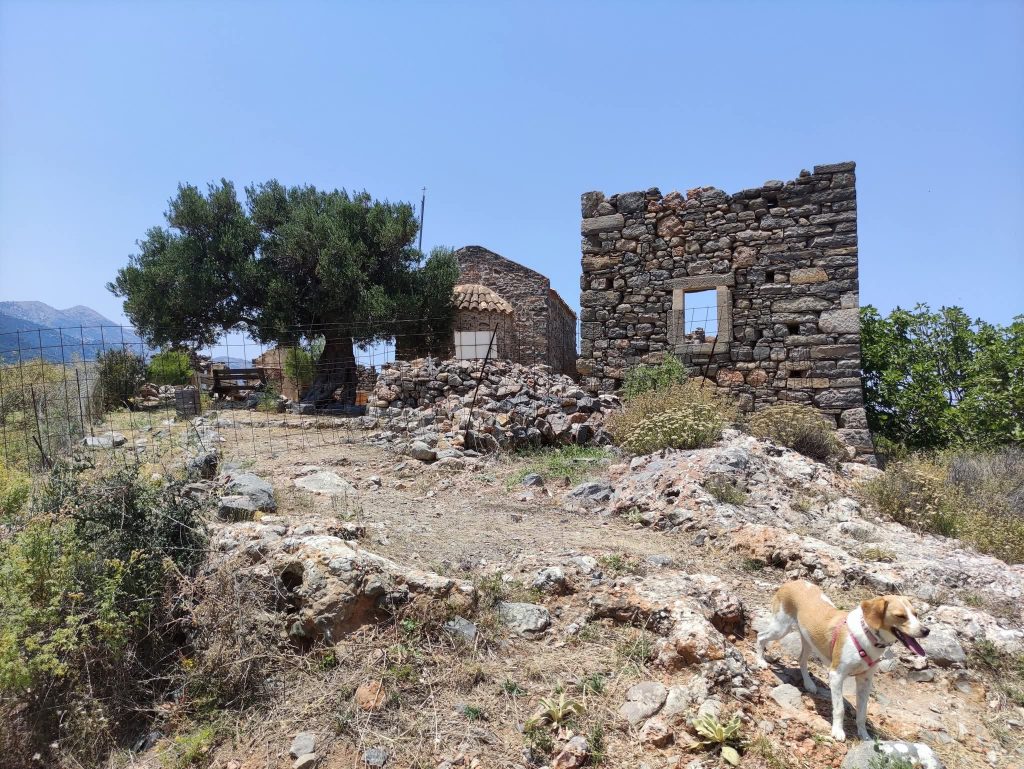
Saint Onoufrios is located northeast of Voulismeni, in the Pera Mera area, near the foothills of Mount Timios Stavros. The church is built on a small hill, amidst the rural and natural landscape that stretches out around the village.
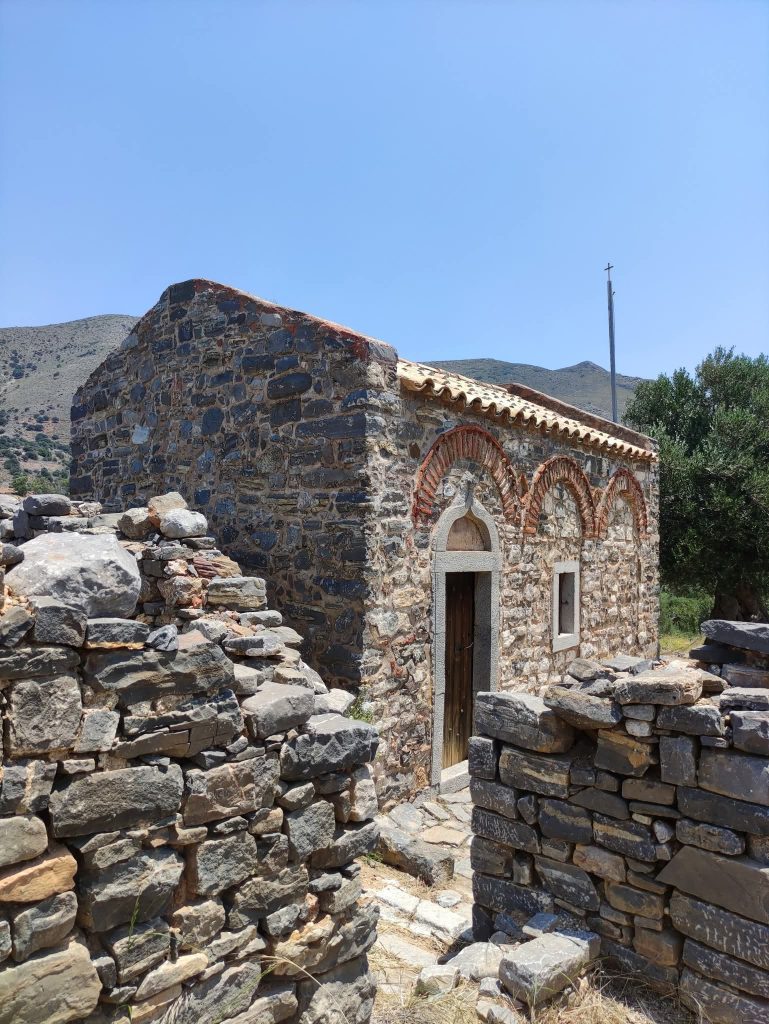
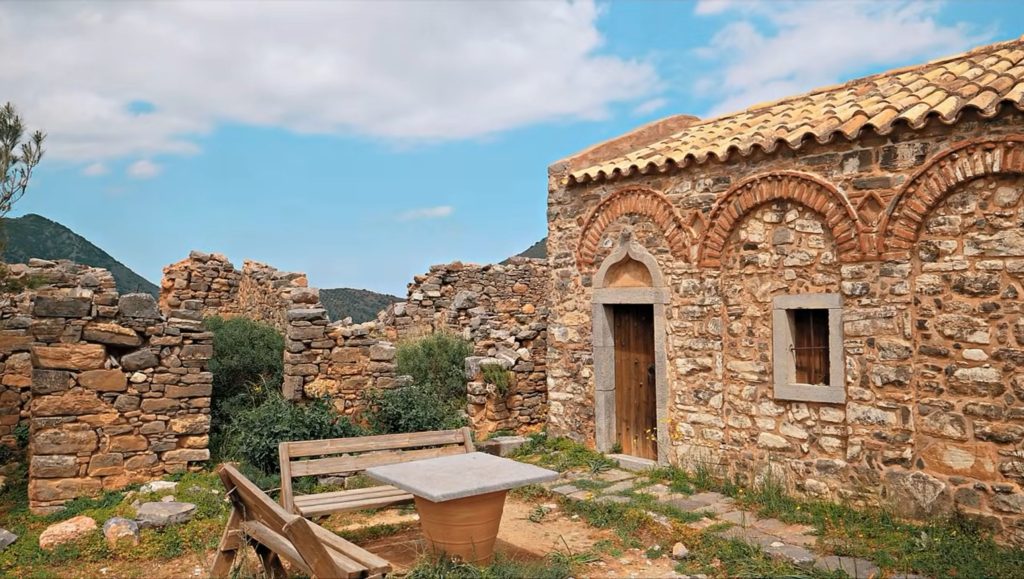
It is a single-aisled, barrel-vaulted church, simple in its architecture but particularly significant for the history of the region. Surrounding the church are ruined structures that link the site to earlier forms of settlement and monastic presence.
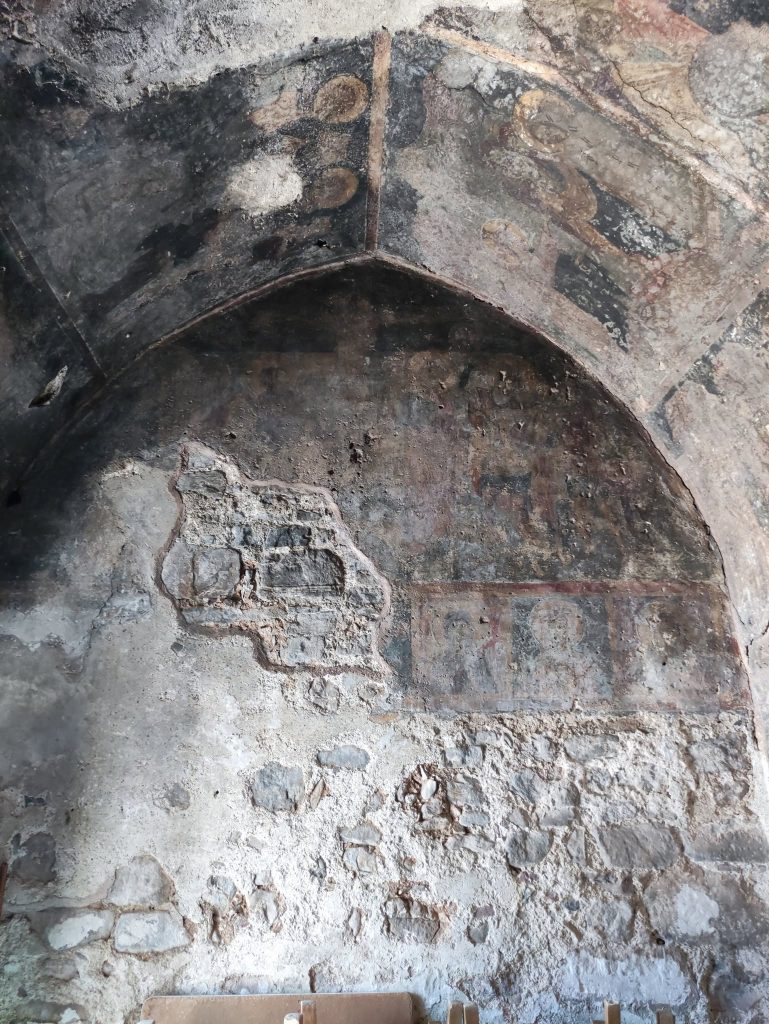
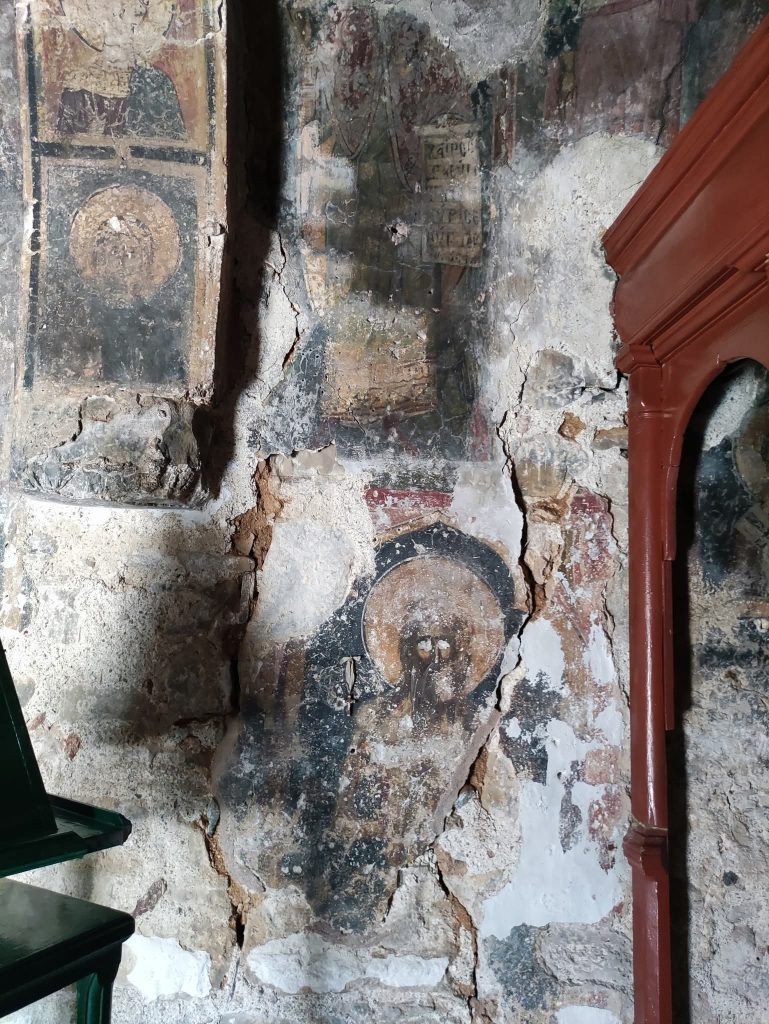
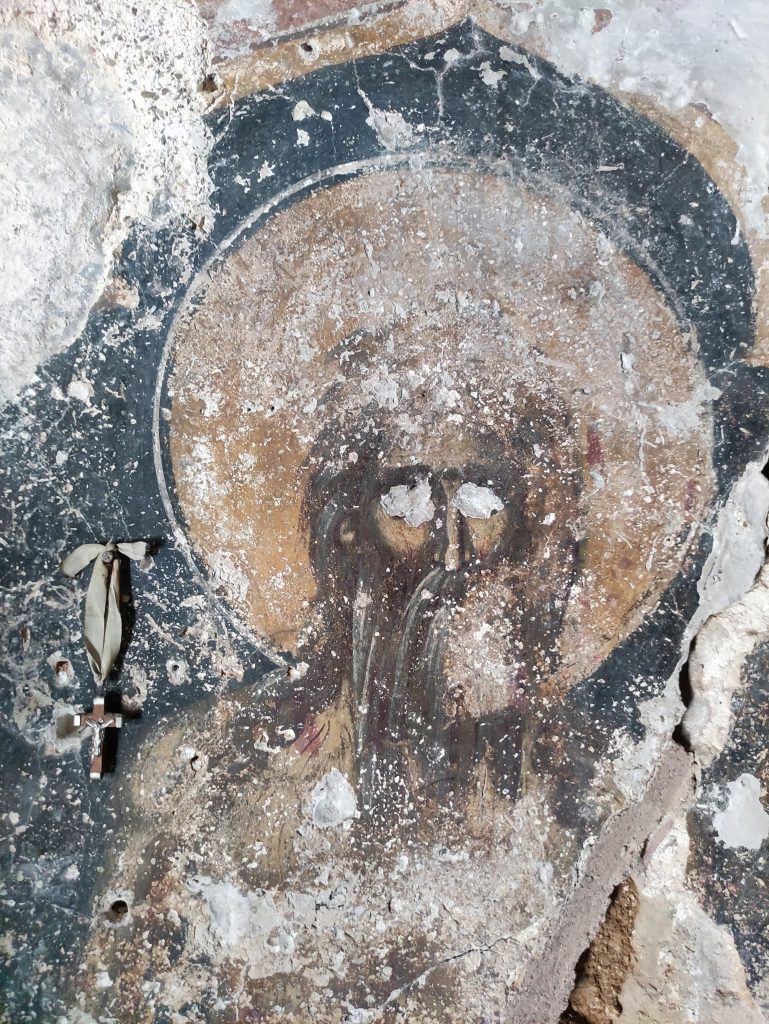
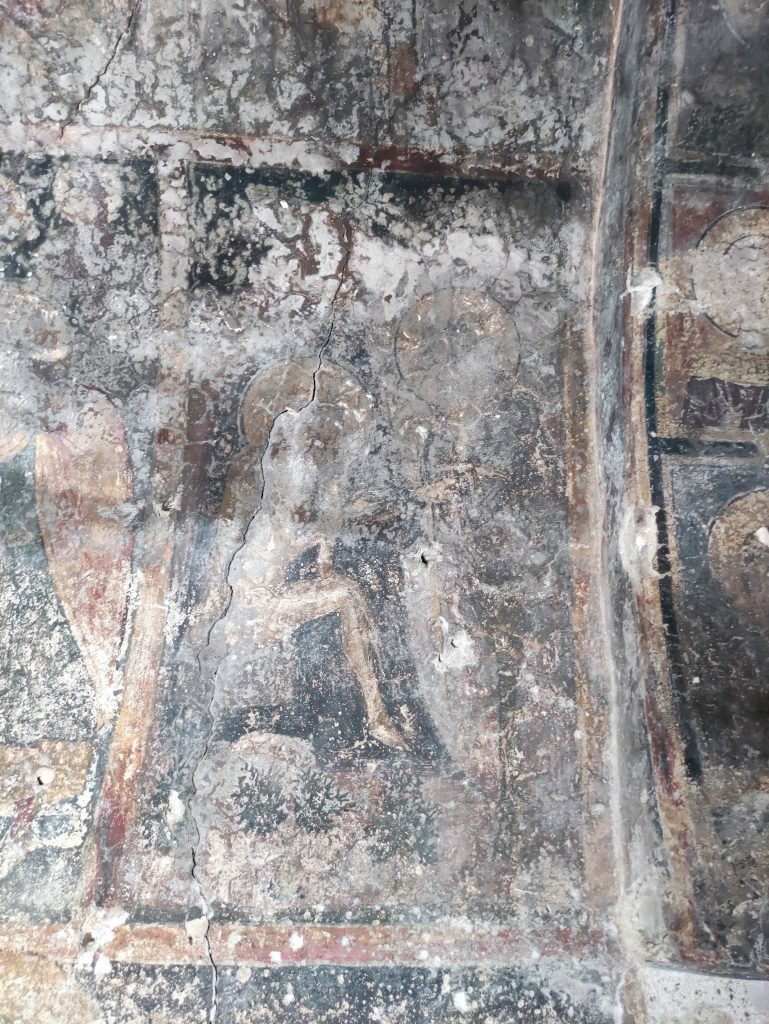
The church of Saint Onuphrius was once covered in frescoes. From its ancient fresco decoration, depictions from the Despotic and Theotokos cycles are still visible today, elements that reveal the monument’s religious and artistic value.
The restoration of the church by the Ephorate of Byzantine Antiquities in 1985 brought the monument back into the spotlight and preserved its surviving architectural elements. The church’s terracotta elements and blind arches link it to the Byzantine period and the 12th century.
Saint Onuphrius also features prominently in the local tradition of Voulismeni. One of the old tales tells of a Turk who brought his horse into the church to dishonor the saint, but in the morning they found it half-eaten by scorpions. This story has kept the church in the residents’ memory as a sacred place with special power.
Another well-known account explains how Saint Onuphrius became permanently associated with Voulismeni. The parishes of Neapolis and Voulismeni were both claiming the church and agreed that the priests from both villages would set out; whoever reached the church first would have it belong to that parish. When the priest from Neapolis was in the lead, the priest from Voulismeni threw his kalimavki inside the church, and thus, ever since, Saint Onoufrios has belonged to Voulismeni.
Today, Saint Onoufrios remains one of the most important religious and hiking destinations in the area around Voulismeni. The path to the church winds through the area’s natural landscape and leads to a place where Byzantine heritage, local tradition, and the tranquil beauty of the countryside coexist.