
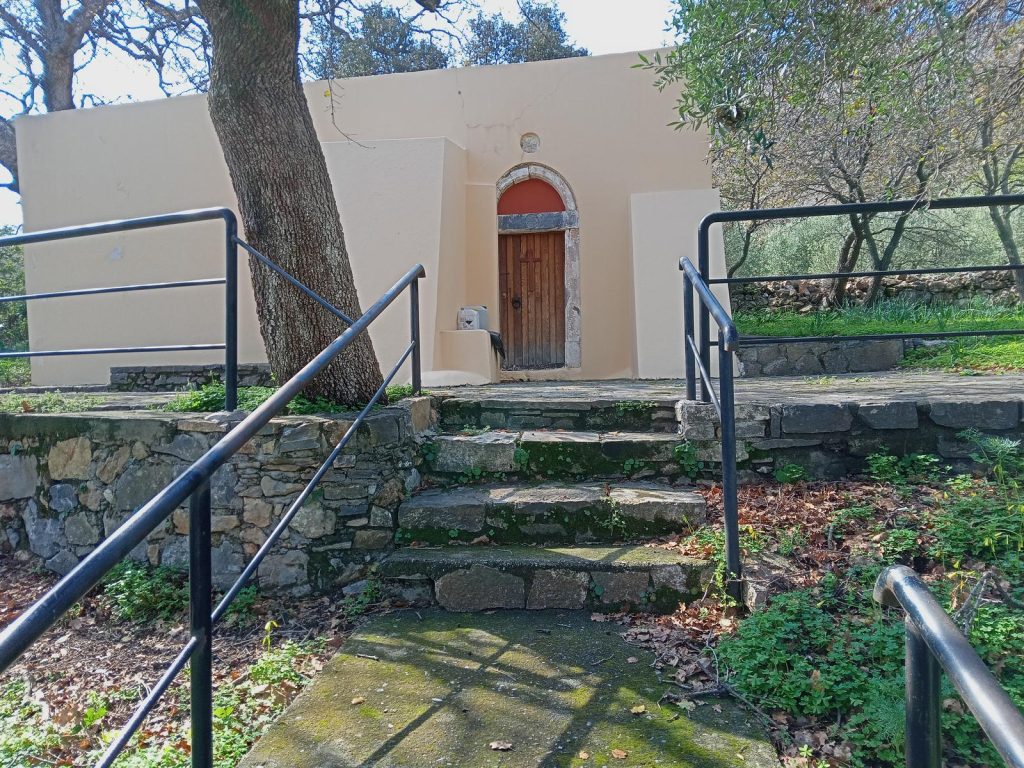
The chapel of Saints Constantine and Helen is located south of Voulismeni, on the slope of Kavalaras. The area surrounding the chapel is dotted with olive trees, pastures, and the village’s rural landscape, making it one of the oldest religious sites in the Voulismeni countryside.
The church is a single-aisled basilica and is one of the most significant ancient ecclesiastical monuments in Voulismeni. Its location outside the village center, within the natural surroundings of Kavalara, illustrates the connection between the village’s old churches and rural life, as well as the residents’ daily routes.
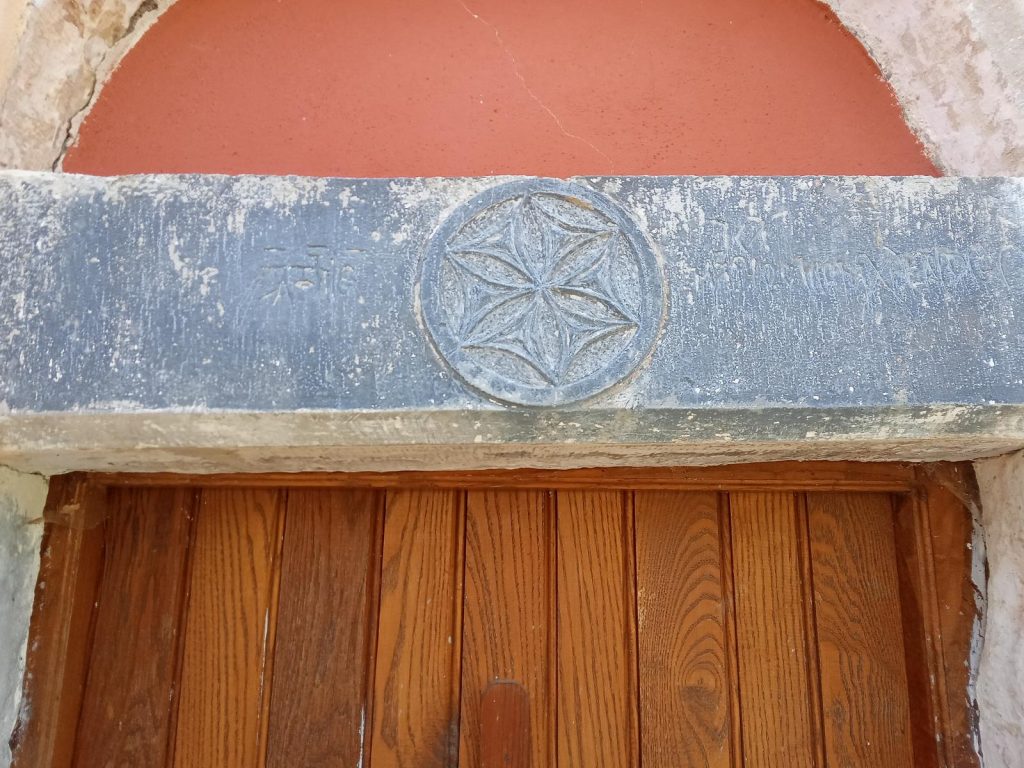
Of particular value is the dedicatory inscription preserved on the lintel of the church. The inscription mentions the year 1545 and the name of the monk Drosos, who is associated with the church’s founding. It is one of the oldest surviving inscriptions in the community of Voulismeni.
The church of Saints Constantine and Helen originally served as the main church of a small monastery. The presence of the monk Drosos and the inscription from 1545 indicate that the site was not merely an isolated chapel, but part of an organized religious complex.
The monastery is also mentioned in the 1635 census of churches and monasteries in Crete. At that time, the monk Athanasios Kontogiannis registered the monastery, along with the church of Saint Constantine, under the jurisdiction of Alexander Pasqualigo, in the village of Voulismeni. The same record states that the monastery owned a vineyard and an olive grove.
A few years later, in 1642, another monk, Athanasios Driminitis or Diminitis, is mentioned; he came from the monastery of Saint Constantine in the Voulismeni area. This account reinforces the image of a place with a continuous ecclesiastical presence during the Venetian occupation.
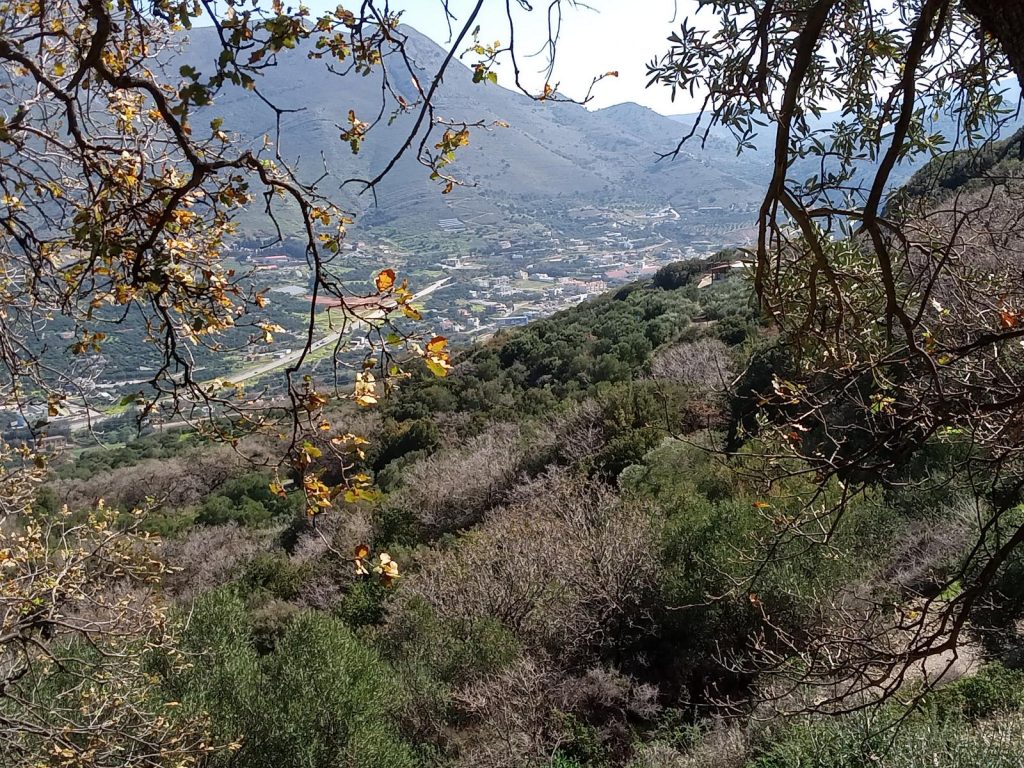
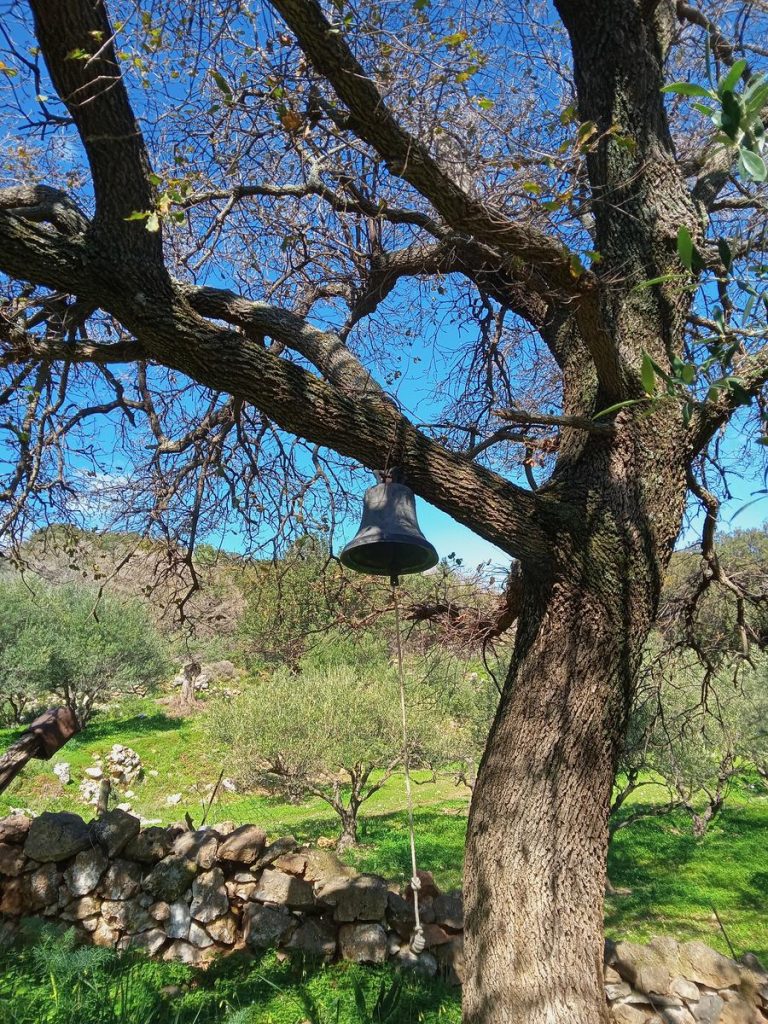
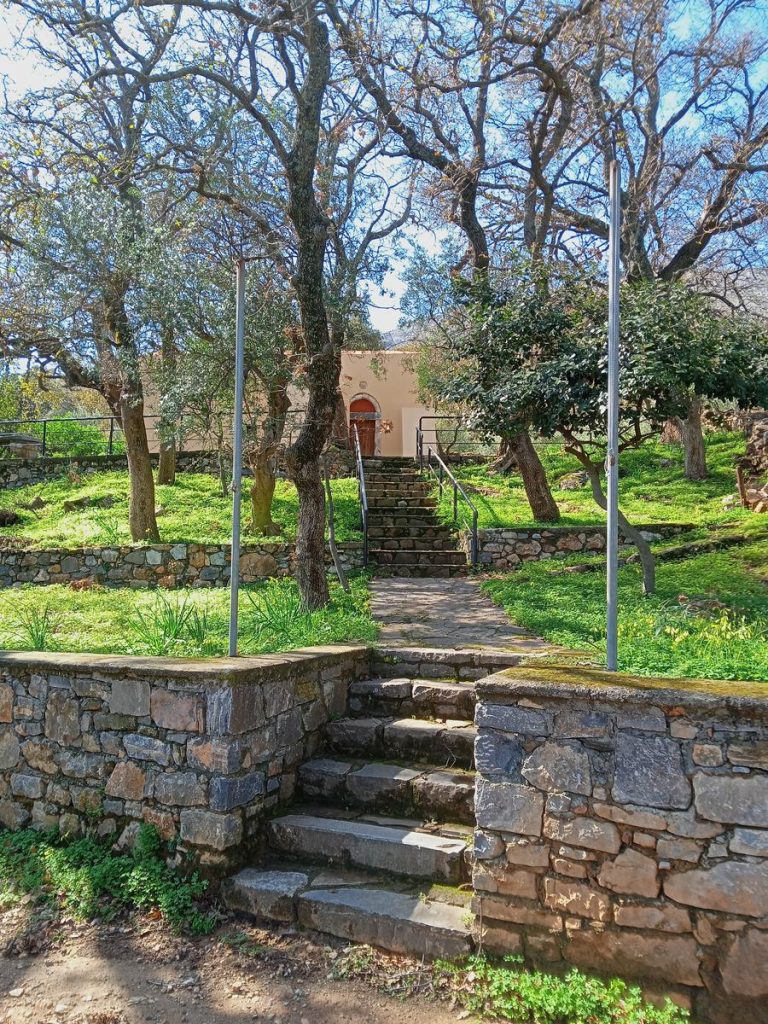
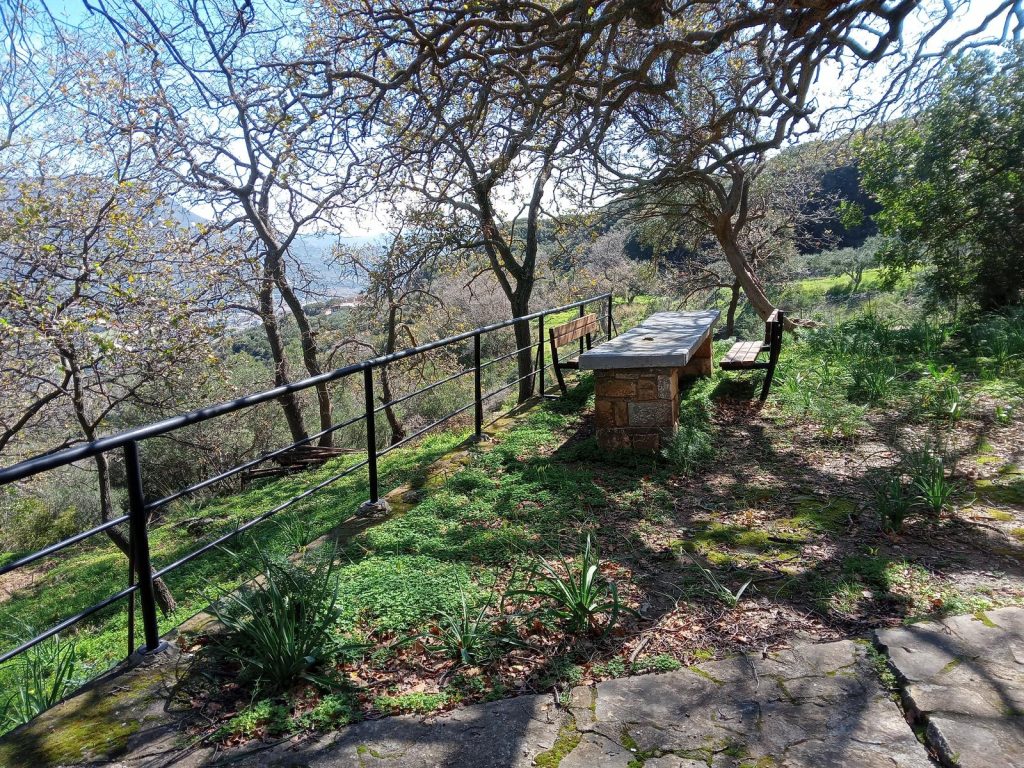
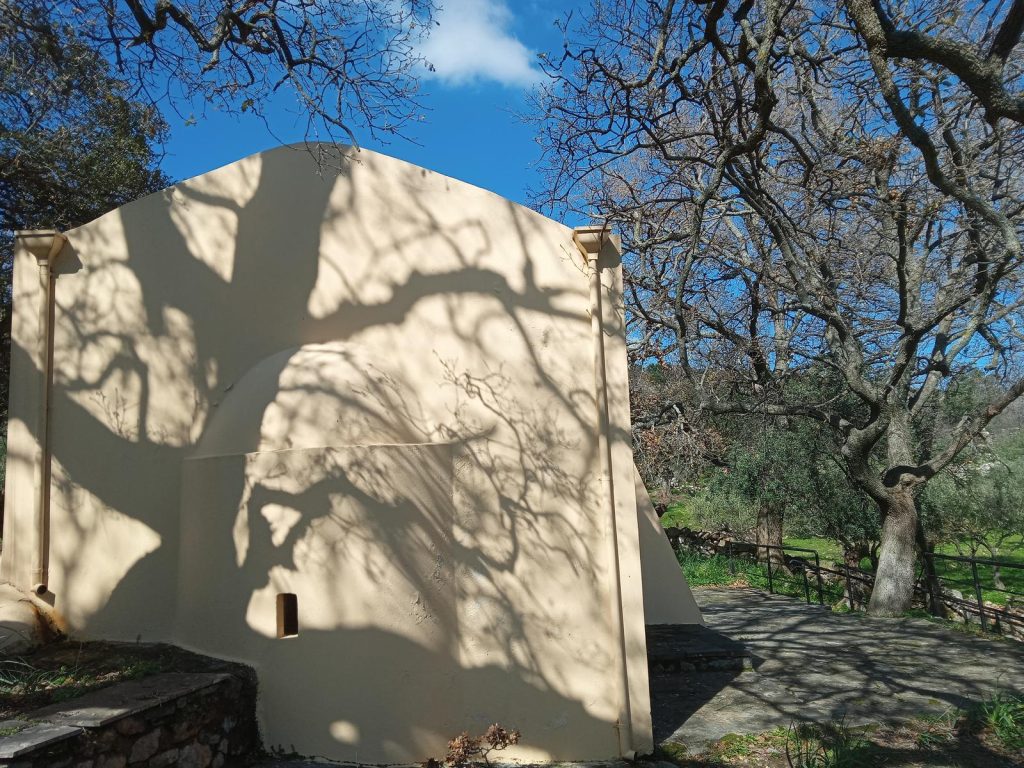
Today, Saints Constantine and Helen preserve the memory of an ancient monastic presence in Voulismeni. The chapel, the inscription dating from 1545, and the landscape of Kavalaras come together to form a place where religious tradition, local history, and the village’s rural character converge.